

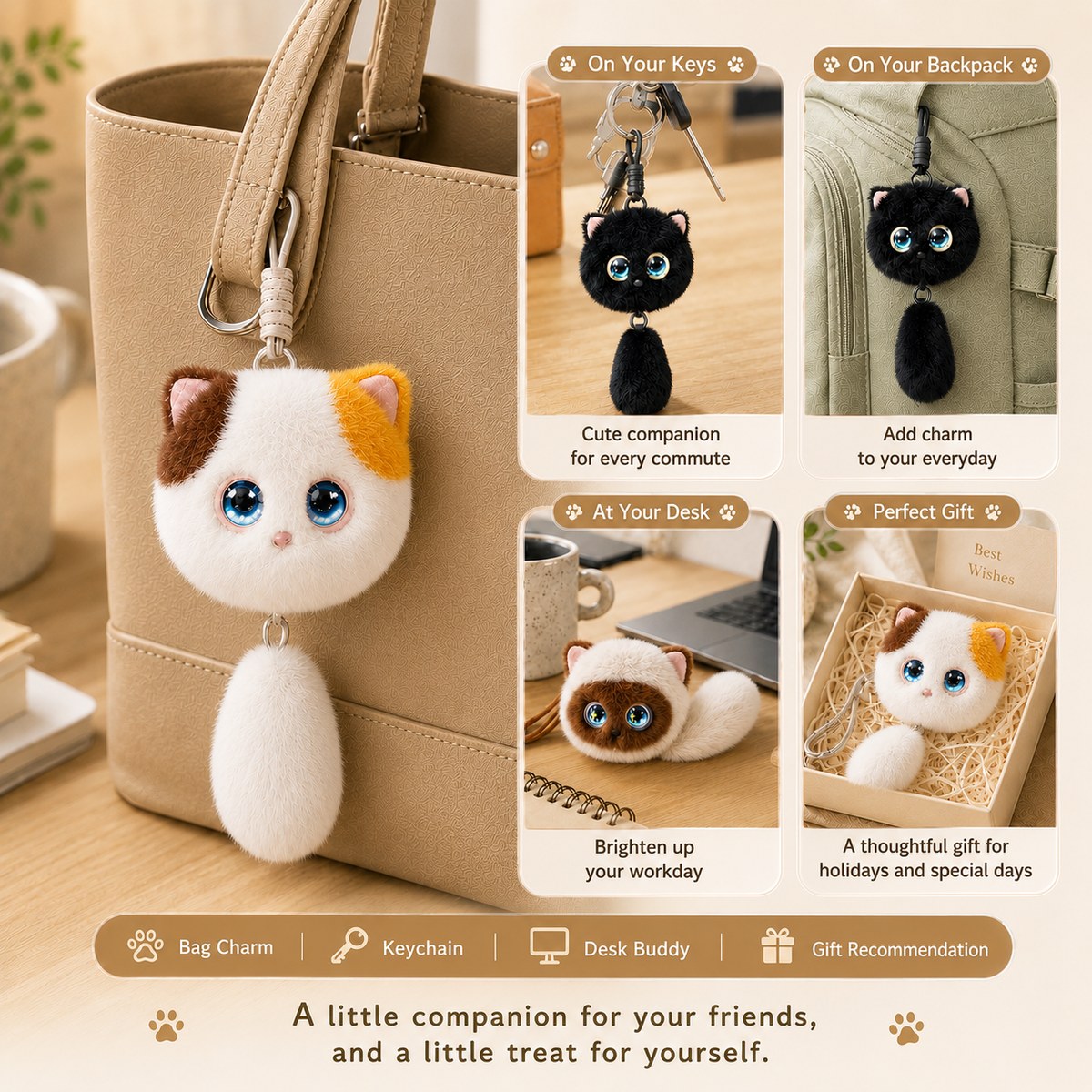
The US de minimis AI plush business model had a good run. For years, direct-to-consumer sellers could ship a single AI plush toy from a factory in Shenzhen straight to a customer’s door in Ohio, duty-free and paperwork-light, as long as the parcel stayed under US$800. That era ended on August 29, 2025, when the Section 321 de minimis exemption was suspended globally — and regulators have spent 2026 locking the door behind it. Here is what changed, what a parcel costs now, and how to decide between direct shipping and bulk importing.
What actually changed for US de minimis AI plush sellers
The phase-out came in waves. De minimis was eliminated for shipments from China and Hong Kong first, effective May 2, 2025, then for every other country on August 29, 2025, under an executive order signed July 30, 2025. In 2026 the suspension hardened into permanence: U.S. Customs and Border Protection codified it as regulation on June 24, 2026, and Congress repealed the exemption outright in the One Big Beautiful Bill Act, effective July 1, 2027. A Court of International Trade ruling on August 13, 2026 (Axle of Dearborn v. Department of Commerce) upheld the executive branch’s authority to end the threshold, closing off the last legal path back to the old model. As of October 2026, there is no reinstatement date.
Practically, that means every shipment into the United States — regardless of declared value or country of origin — now requires formal customs entry through the Automated Commercial Environment (ACE), with HTS classification, entry filings, and surety bonds. The paperwork shortcut is gone, even where a duty-free claim under a trade agreement might still apply.
The new per-parcel costs
Costs now split into duties and compliance overhead. Duty rates depend on product category and country of origin, but most consumer-goods categories face roughly 10% to 30% of declared value, with China-origin goods carrying additional Section 301 tariffs. AI plush toys generally classify under HS chapter 9503 (toys), but the exact 10-digit HTS code depends on composition, function, and features — classification errors can trigger penalties of 10 to 40% of shipment value, so professional classification is no longer optional.
The compliance overhead is what really kills the old model. Brokerage fees of US$2 to US$5 or more per entry, surety bond costs, filing fees, and 3 to 7 business days of clearance delay hit hardest at the bottom of the value curve: a US$25 toy order absorbing several dollars of fixed entry costs plus duty can lose its entire margin. Returns face the same treatment — every return shipment now carries duty and processing too, which makes reverse logistics planning essential rather than an afterthought.
The September 2026 relief: Entry Type 13 pilot
On September 24, 2026, CBP opened an Entry Type 13 Test — an electronic informal-entry pathway for low-value shipments in the international postal stream. It lets parcels carrying Section 232 and Section 301 duties be processed without a full formal entry, cutting friction and cost for direct-ship sellers. This is the first meaningful operational relief since the suspension, but sellers should read it for what it is: a new compliance regime with its own data requirements, not a return to duty-free parcels.
Bulk import vs direct ship: the decision framework
The math has flipped. Direct shipping made sense when per-parcel compliance cost was near zero; now the fixed entry cost per parcel is the deciding variable. Three questions settle it:
- Average order value. Low-AOV SKUs — the sub-US$50 plush toys that were the backbone of DTC volume — are the least viable for direct ship now. Higher-AOV bundles absorb the fixed cost better.
- Volume concentration. If most of your orders land in the United States, ocean freight amortized across a full container plus onshore fulfillment almost always beats per-parcel international shipping, entry fees, and duties combined.
- Return profile. Categories with high return rates should avoid direct ship, where every return now pays duty twice.
For most brands selling AI plush toys into the United States, bulk importing with U.S.-based inventory is the new default. Foreign Trade Zones and bonded warehouses can defer duty until goods actually sell, and proper HTS work at the container level costs a fraction of what per-parcel classification chaos would. Direct shipping remains workable only for high-AOV orders and samples — and even then, the Entry Type 13 postal pathway or a licensed broker must handle the entry properly.
What to ask your factory now
Your supplier has become a compliance partner. Ask for 10-digit HTS support data (materials, electronic functions, battery chemistry), verified country of origin, consistent commercial invoices and packing lists, and records maintained for five years for customs audits. Battery compliance matters too — see our breakdown of UN38.3 rules for shipping AI plush by air — and keep an eye on tariff movements, like what the September 2026 US tariff relief means for toy landed costs.
At Aslan Technology, our 15,000 m² facility produces up to 250,000 AI companion toys per year and ships 70,000 units abroad annually, with 10 years of OEM/ODM experience behind every export program. If you are rethinking your U.S. logistics for AI plush toys, tell us your target market and expected purchase volume — we will help you model the landed-cost math for bulk import versus direct ship.

