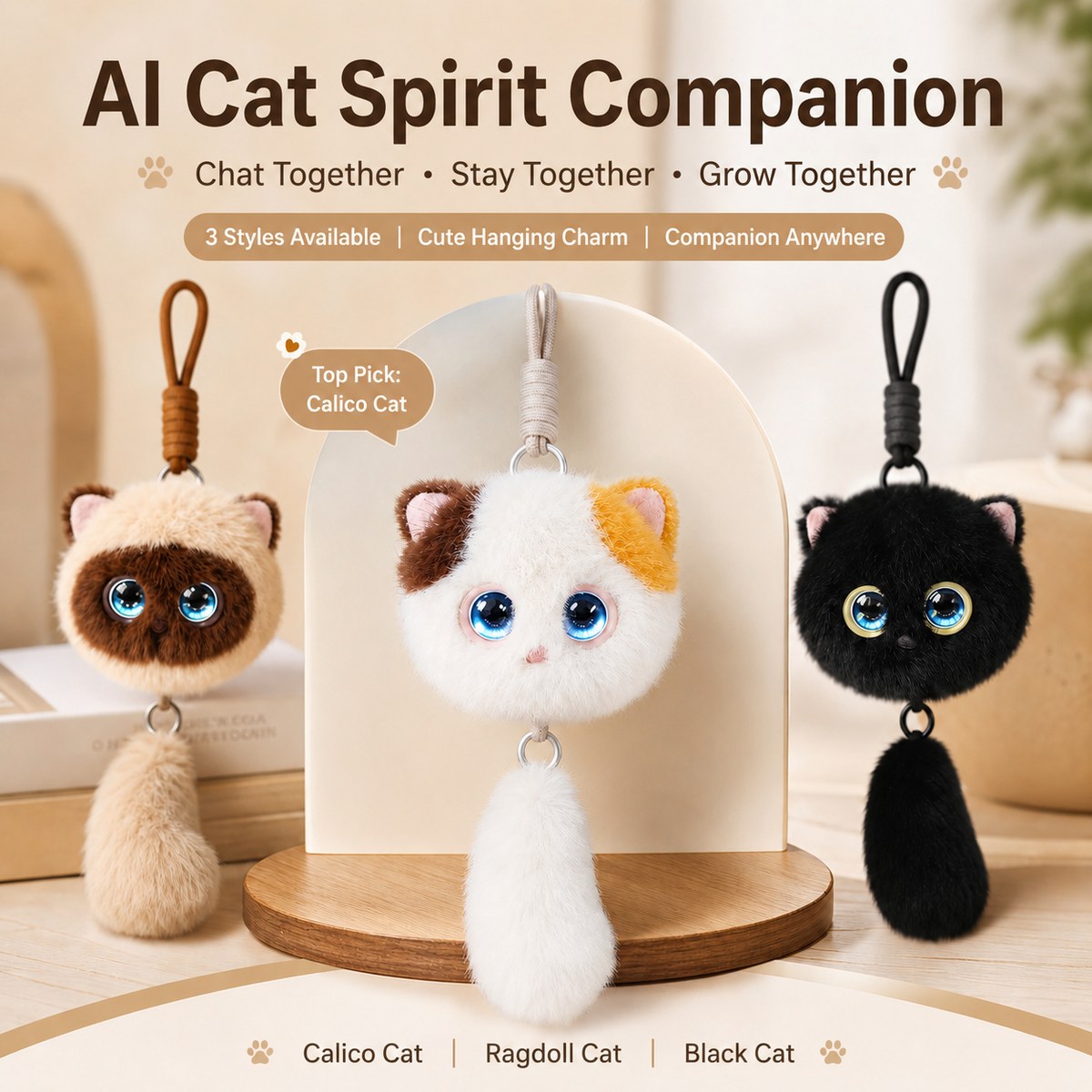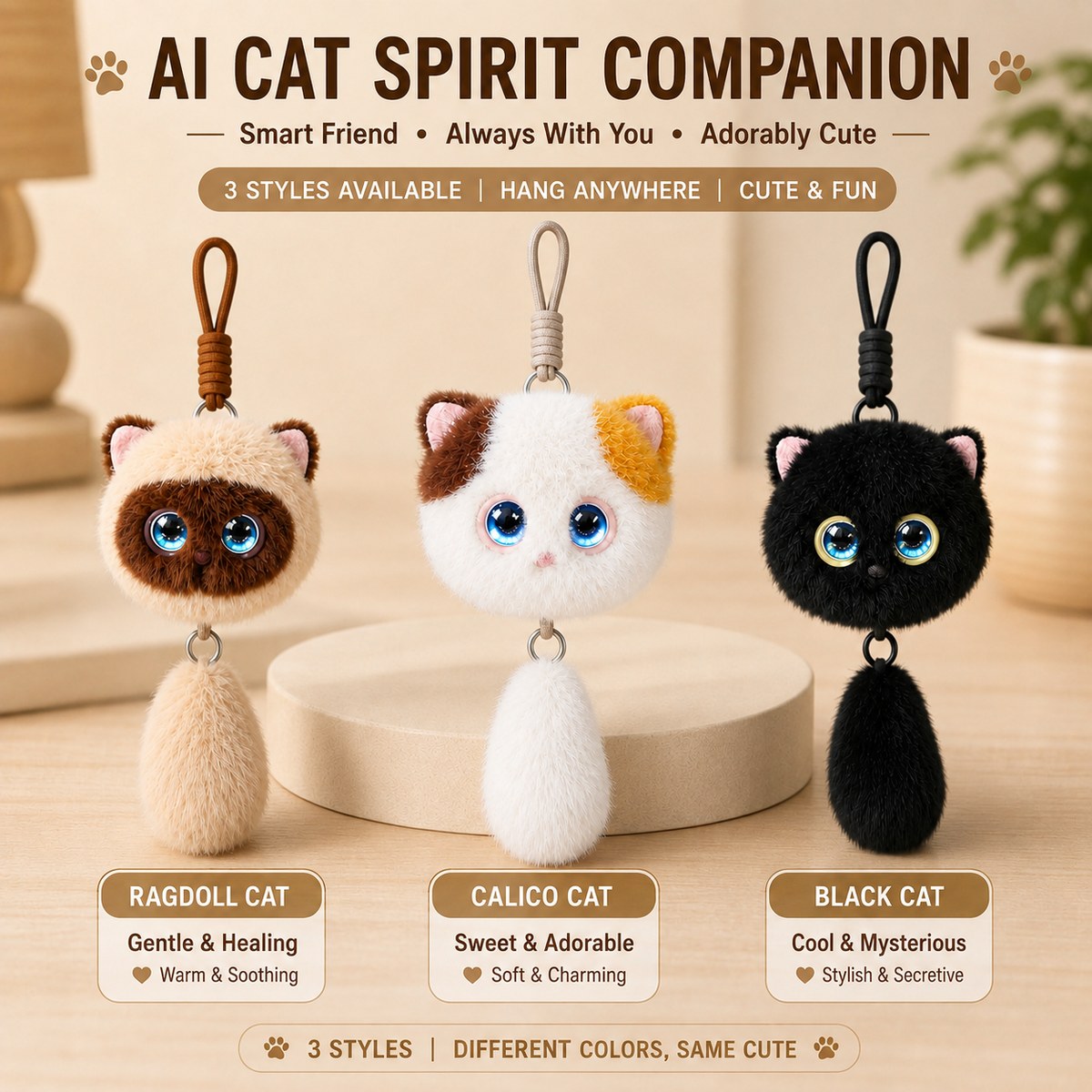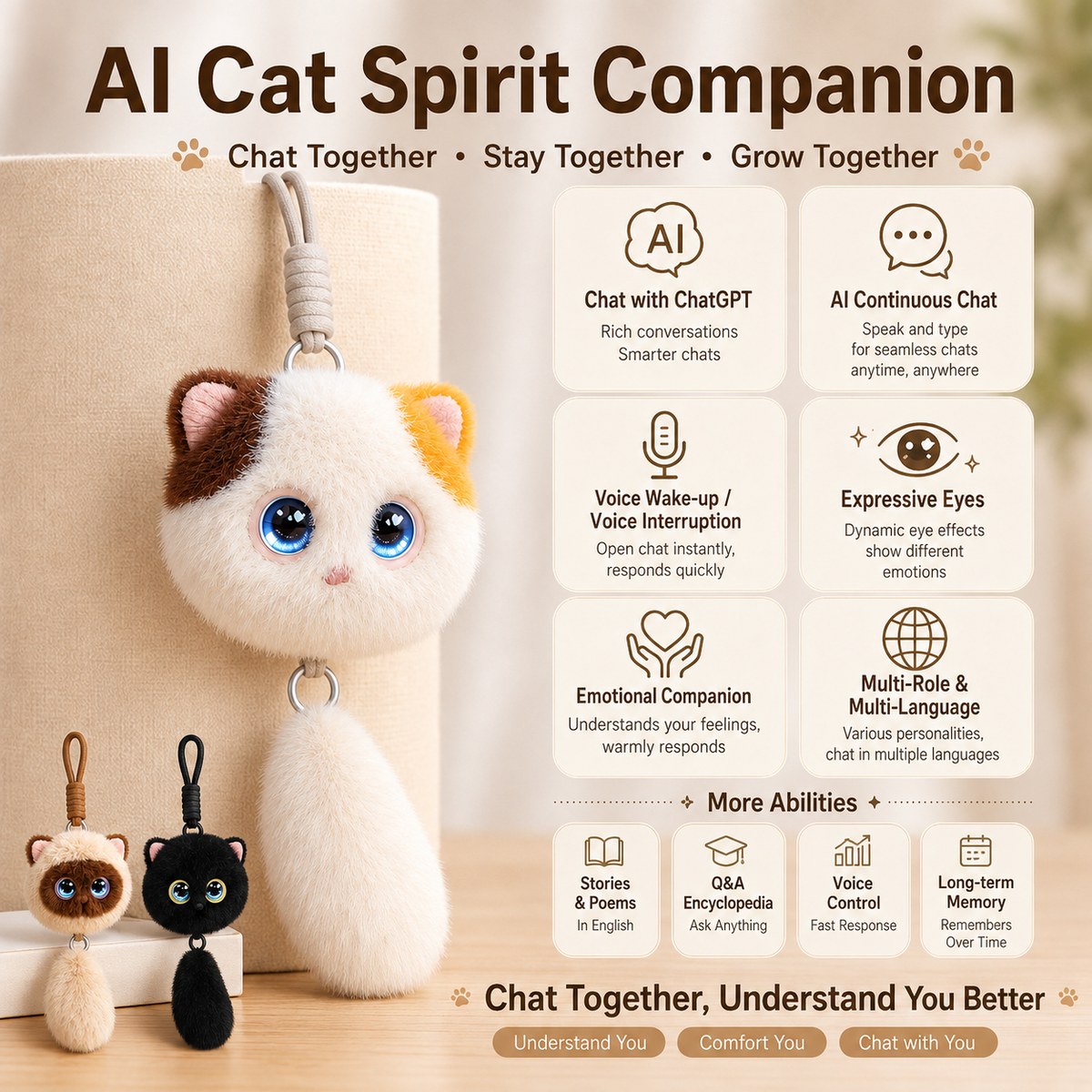
When buyers evaluate an AI plush toy, they usually ask about the plush, the size and the price. The question that decides whether the product succeeds is asked much less often: which language model is behind it?
It sounds like a technical detail. It is not. Model choice drives response quality, how the toy handles accents and dialects, latency, and — if usage is metered — your long-run cost per active unit.
The models in play
Our platforms integrate large language models including ChatGPT and Doubao. Each has a different character.
- ChatGPT — strong general reasoning, broad language coverage, and high familiarity with Western markets. Buyers recognise the name, which helps at retail.
- Doubao — excellent Chinese-language performance and strong handling of mainland market use cases, with competitive cost.
Multi-model support matters because markets are not uniform. A product headed to North America and one headed to mainland China rarely want the same engine.
How to actually choose
Match the model to the primary market
If your first market is English-speaking, test with an English-first model and verify it handles the accents your users actually have. If your market is Chinese-speaking, test accordingly. Do not pick a model because of brand recognition alone — test with real users from the target market.
Check the languages you need
Our platforms support 40 languages with multi-role voice sets. But “supported” and “good” are different things. Ask for samples in your three most important languages before committing to a mould or a large first order.
Understand the cost structure
Unlimited conversational AI is not free. Whatever model you choose, the economics of ongoing inference have to work over the life of the product, not just at the point of sale. Ask how usage is metered and who bears the cost after the unit ships. A product with no answer to this question is a product with a hidden liability.
What we recommend to buyers
For most export orders we start buyers on a configuration matched to their first market, then adjust once they have real usage data. Because we build the firmware configuration ourselves rather than reselling a fixed unit, changing the model assignment or the voice set is a production decision, not a new product development cycle.
That flexibility is the main argument for working with a manufacturer that runs its own line. We are an industrial-trade integrated enterprise with a 15,000 square meter factory and 10 years of export experience, which means we can adapt a platform to a market without rebuilding it.
Bring us your primary market and target price and we will tell you which model configuration makes sense — and where the trade-offs sit.