Every AI toy supplier lists a language count. It reads like a feature. In practice it is a market-access decision, and the difference between 8 languages and 40 determines which countries you can sell into without commissioning a new product.
What the number actually means
A conversational toy has two language layers. The first is speech recognition and synthesis — can it hear and speak the language. The second is the language model behind the conversation — can it hold a sensible exchange in that language.
A product can support one without the other. A toy that recognises a language but responds with poor grammar or awkward phrasing is worse than one that does not claim support at all, because the failure is visible every time it is used.
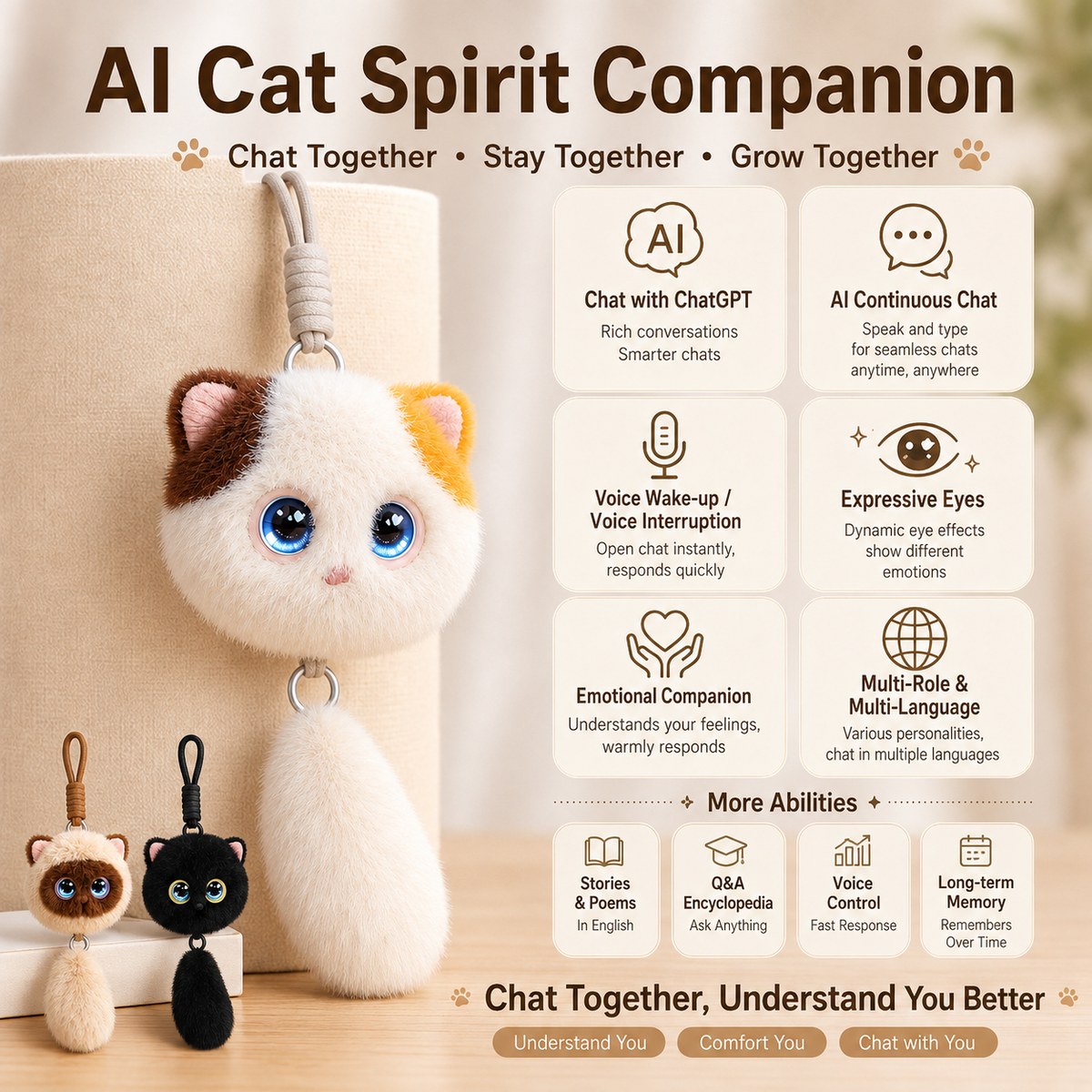
Our platforms support 40 languages with multi-role voice sets, and volume and speech rate are adjustable on-device. Multi-role voice means the same unit can present different voice characters for different interaction contexts.
Why it matters commercially
- One SKU, many markets. Wider language coverage reduces the need for market-specific product versions, which lowers inventory complexity and lets you test smaller volumes in more places.
- Regional resellers. A distributor in a smaller language market can be served without a custom build.
- Gift and travel retail. Multi-language products suit channels where buyers and recipients do not share a first language.
What to verify before you commit
Do not take the number on the spec sheet at face value. Ask for a sample or a recording in your three most important languages, and test the ones that matter most to your market share. Check how it handles an accent, a regional dialect, and a user who switches languages mid-conversation.
Also settle configuration early. Which languages ship enabled by default, how the user switches, and whether the on-device prompts match the selling market. These are small decisions that become expensive after production starts.
The practical takeaway
If your plan is one market, pick the platform that performs best in that language and do not overpay for coverage you will not use. If your plan is several markets — or you expect to expand after a first order — language capability is worth weighing early, because retrofitting it later means a new production run.
We configure language sets per order from our own line in Chongqing: a 15,000 square meter factory producing 250,000 units a year, with about 70,000 exported annually. Tell us which markets you are targeting and we will tell you which configuration to start with.