

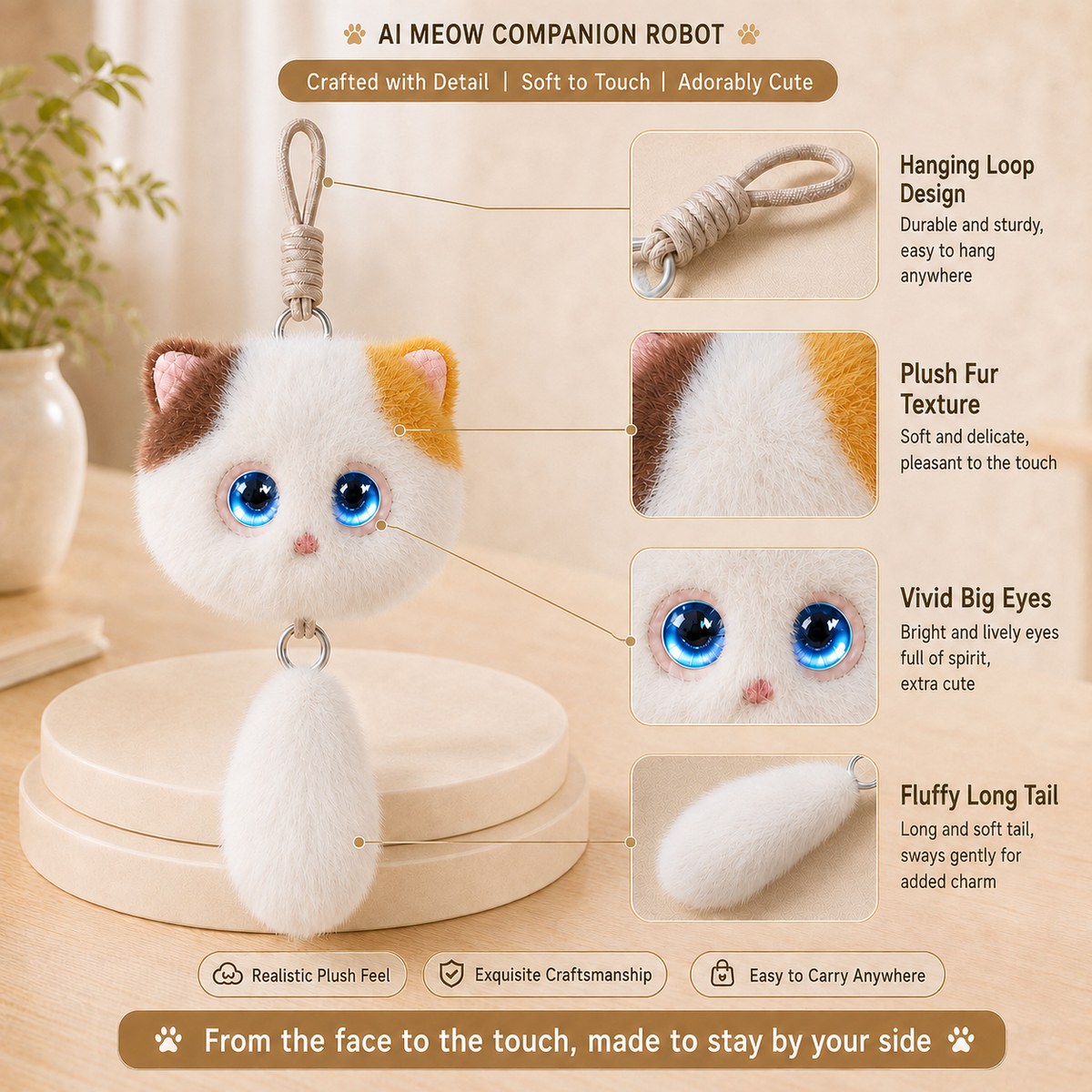
The adult AI companion plush market is not a loophole in the child-toy bans. It is a separate market, and it only works if it is built as one. California Senate Bill 867, signed in September 2026, places a four-year moratorium from 1 January 2027 on toys for children under 16 that include a companion chatbot, while the Toy Association, out of caution, did not allow AI companion chatbot toys from technology companies to be shown at Toy Fair 2026. Neither measure targets a companion product genuinely designed, marketed, and sold to adults. But a children’s product with an adult age mark on the box is not an adult product, and a regulator, a retailer, or a parent will judge the line by its design, sizing, packaging, advertising, and channel placement taken together. A brand that wants the adult market must earn it with a product that would look wrong in a children’s aisle, not with a label.
The commercial case for doing the separation properly is real, and it does not depend on the bans. The wider plush market is already shifting toward adult buyers: industry summaries of the 2025-2026 small-plush market describe a significant shift toward adult collectors and a kidult demographic, with licensed nostalgia and premium pricing driven by limited editions, while broader toy-trend reporting calls kidults the fastest-growing toy demographic, with shoppers aged 18 to 34 increasingly buying for themselves. Character-based plush is described as the fastest-growing plush segment, and emotional comfort, collectibility, and nostalgia are the stated drivers. An AI companion plush aimed at adults sits in that current, not against it: a desk companion, a wellness product, a collectible character with a voice, or a gift for a partner or a parent. The mistake is to carry a children’s conversational design into that market unchanged and call the change of audience a strategy. Adults notice the difference between a toy that talks down to them and a companion designed for them, and so do the rules.
Adult AI Companion Plush Market: Designing for Adults, Not Relabelling for Them
Separation starts with the product itself. An adult line should differ from any children’s line in form, content, and behaviour, in ways a buyer can verify without taking the supplier’s word for it. Form means adult proportions, materials, and finish: a desk-sized companion or a premium collectible, not a crib-sized toy with a child-friendly face and a soft, squeezable body designed for small hands. Content means conversation designed for an adult: longer exchanges, adult vocabulary and references, and topics that would be inappropriate or simply pointless for a child, governed by an adult content policy rather than a child-safety filter with the age setting changed. Behaviour means memory and personality that serve an adult’s life: reminders, routines, conversation history the owner controls, and a relationship style that does not mimic a child’s companion. If the only difference between the children’s line and the adult line is the age printed on the packaging, the lines are not separate. They are the same product, twice.
Packaging and marketing must tell the same story as the product, because that story is the evidence a regulator or retailer will read first. An adult line should be photographed, described, and placed for adults: adult hands, adult settings, adult language, and channels where children are not the audience. Influencer and social content should use adult creators and adult contexts, not family channels with children in frame. The listing should state the intended audience plainly, and it should not also appear in children’s gift guides, children’s search terms, or children’s sections of a marketplace. A brand that sells the same character to children in one listing and to adults in another, with the same images and the same copy, has not created two lines. It has created one line with two claims, and the children’s claim will be the one that governs. Our guide to AI plush at work as desk companions for wellness shows what an adult-positioned use case looks like when the setting, the buyer, and the benefit are all adult from the start.
The Boundary Rules That Keep an Adult Line Defensible
The boundary is not only about who buys. It is about what the product must not do, and what the brand must not claim. An adult companion should not use child-directed design cues: a childlike voice, childlike speech patterns, a name or character presented as a child’s friend, or play patterns built around a child’s routines. It should not be sold through children’s channels, bundled with children’s products, or promoted with child-directed advertising, including advertising that a child would reasonably encounter and understand as aimed at them. And it should not borrow a children’s line’s safety case. A children’s product’s compliance file, built around child privacy, child content filters, and child safety standards, does not transfer to an adult product, and an adult product’s looser content policy does not transfer back. Each line needs its own classification, its own content policy, its own privacy assessment, and its own retail copy, reviewed as a set, as in our checklist for California SB 867 and the AI plush moratorium.
The Buyer Checklist for a Separate Adult Line
- Product difference. Form, voice, content, and behaviour that are adult in themselves, not a children’s design with a different age mark.
- Marketing difference. Adult photography, copy, creators, and channels, with no placement in children’s gift guides, search terms, or marketplace sections.
- Separate compliance files. A written classification, content policy, and privacy assessment for the adult line alone, reviewed as a whole.
- Separate data stores. No shared memory, profiles, or transcripts between the adult line and any children’s line, in either direction.
- Update discipline. No software change may move a line across the age boundary without a fresh classification and a fresh retail review.
- Channel controls. Distributor and marketplace terms that keep the adult line out of children’s assortments, with a named owner for monitoring them.
An adult AI plush line is a genuine opportunity, and the bans have made the distinction more valuable, not less. But the opportunity belongs to brands that build the separation into the product, the packaging, and the paperwork, and can show their working. A label is not a line. Build the line, prove the boundary, and sell the adult product to adults, in adult places, with adult copy. That is the only version of this market that survives its first regulatory question.
At Aslan Technology, we manufacture AI companion plush in a 15,000 m² facility with 10 years of OEM experience, an annual capacity of 250,000 units, and 70,000 units exported every year. Tell us your target market and expected order volume, and we will map the design, compliance, and pricing options to your program.

