Sourcing AI plush toys usually comes down to one decision before anything else: OEM or ODM. Both work. Both sell. But they ask for very different things from you as a buyer, and picking the wrong one costs either money or time.
We manufacture AI companion plush toys in Chongqing and run both models for clients worldwide. Here is the honest version of how each plays out.
What OEM actually means
OEM means the product is built to your specification. You bring the character design, the plush shape, the branding, and the firmware behaviour you want. The factory handles tooling, plush engineering, electronics integration and assembly, and the result is your product on the market.
The upside is control and differentiation. Nobody else can order your exact product. The downside is that everything upstream is on you: moulds, design validation, and a longer runway before the first shipment.
What ODM actually means
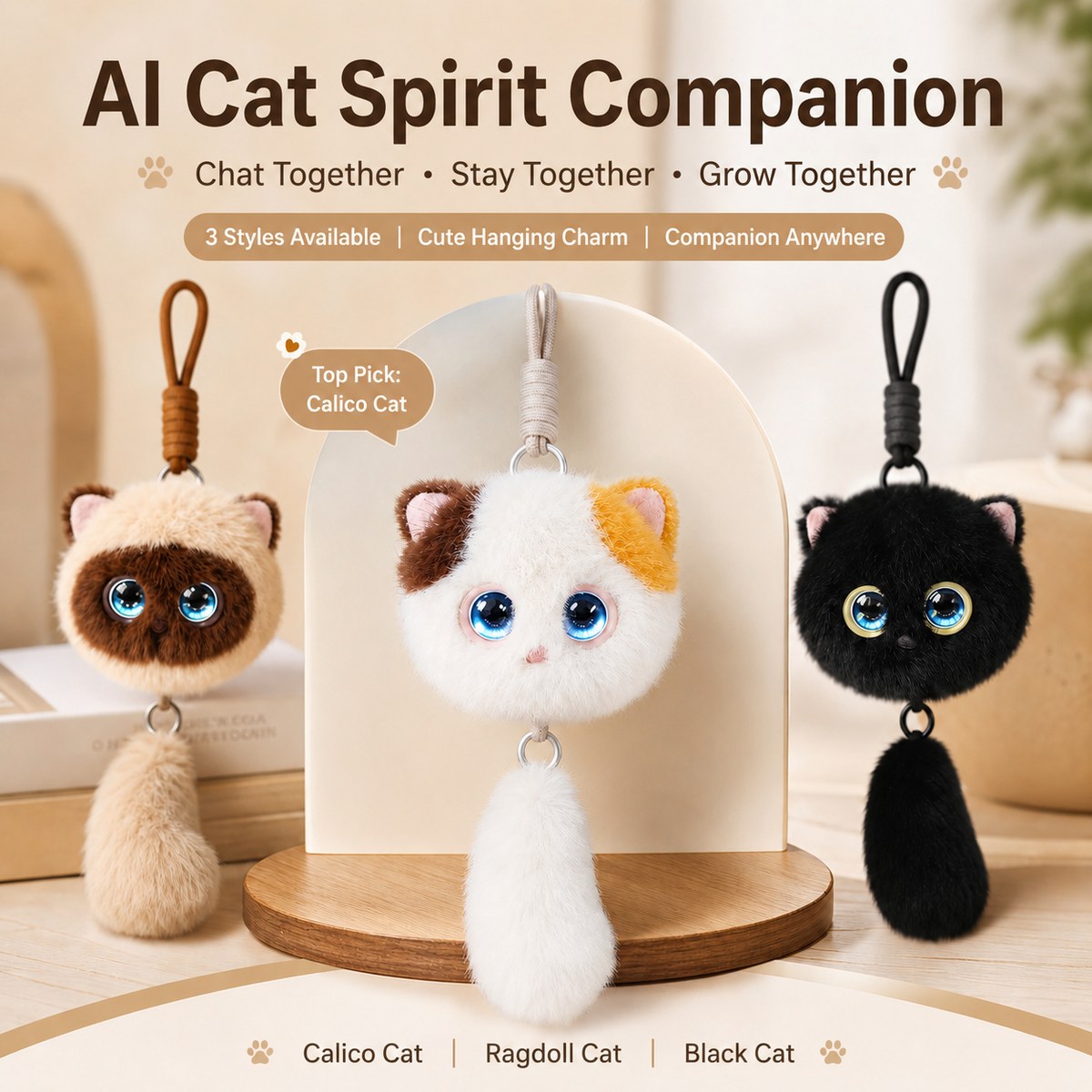
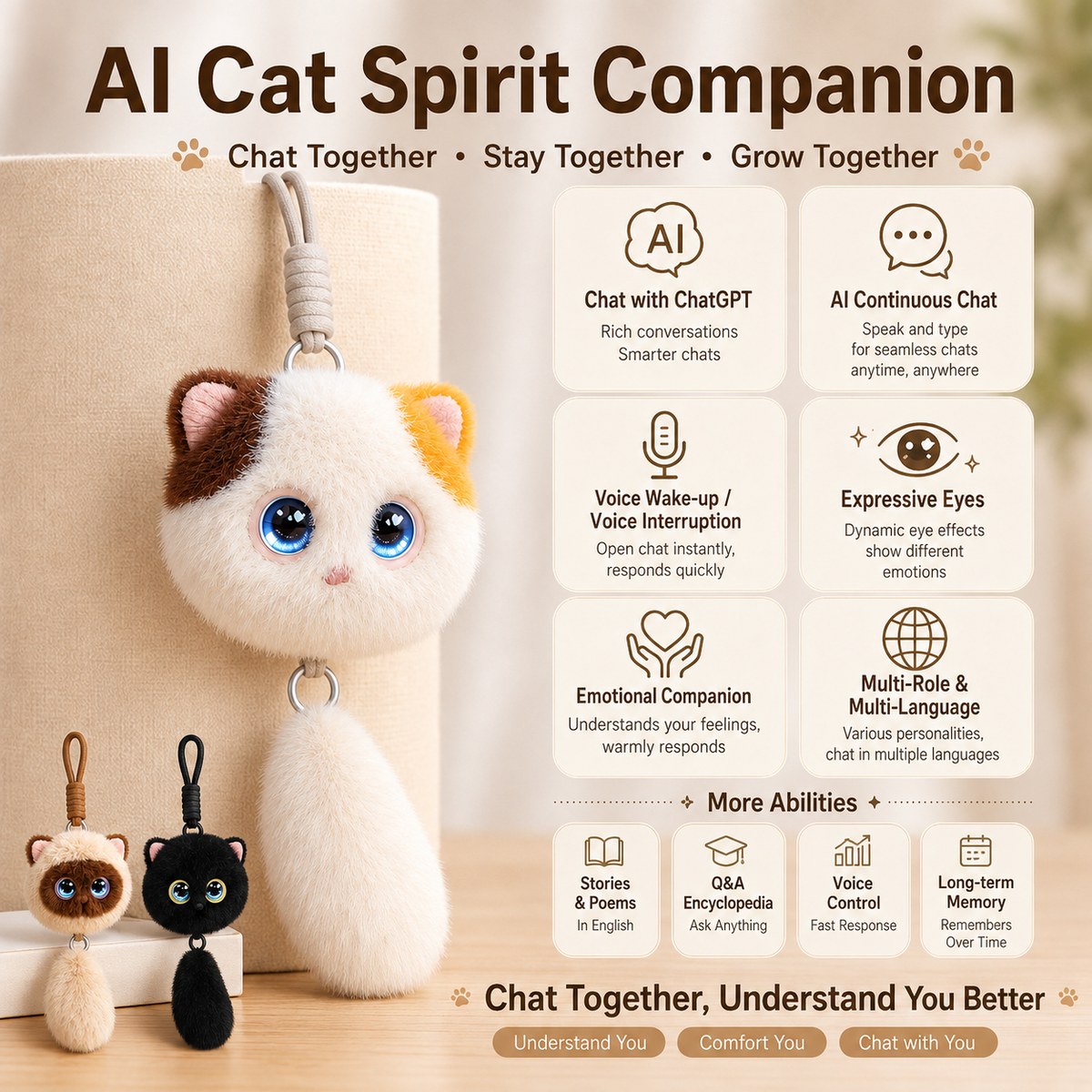
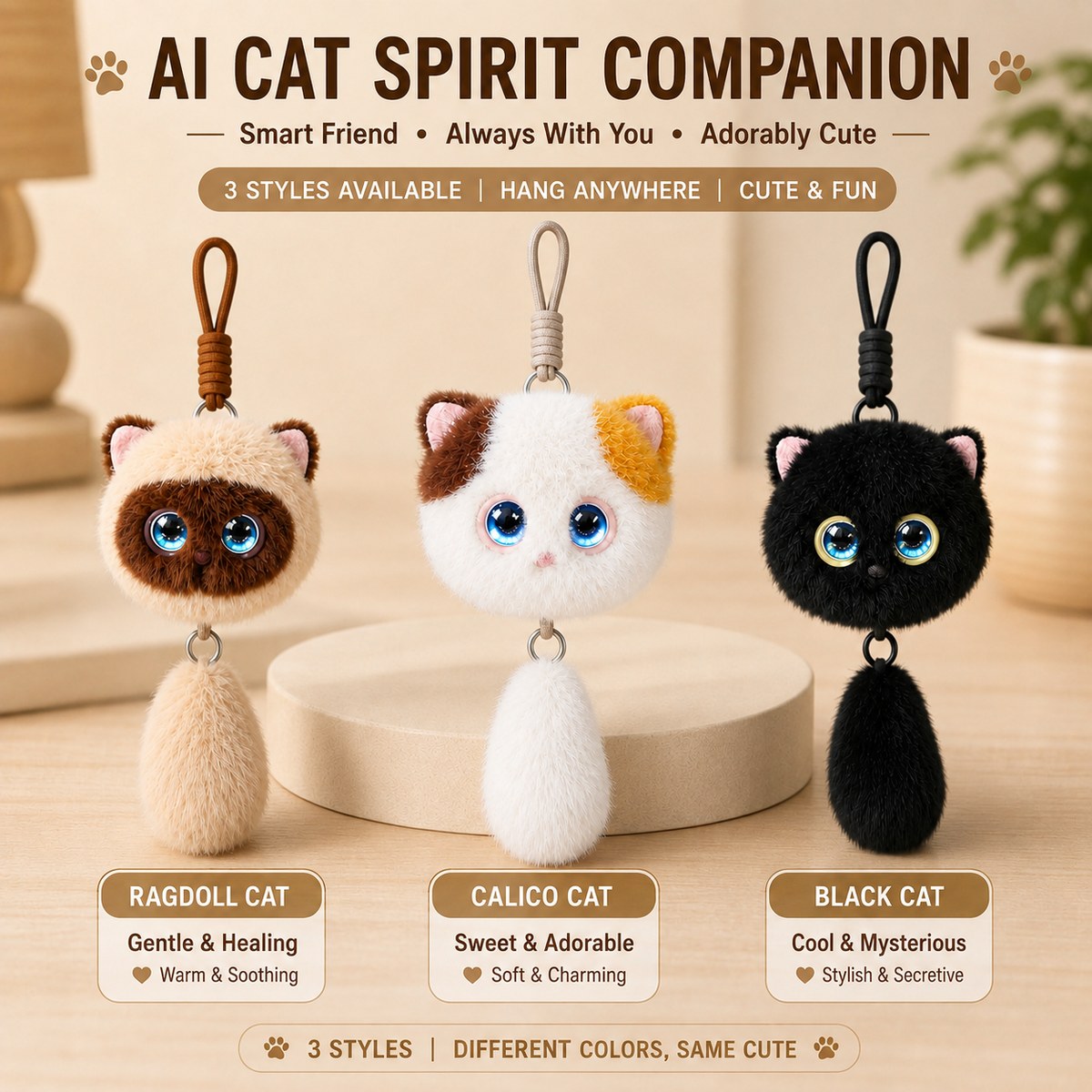
ODM means the factory already designed the product. You pick from an existing platform — our MeowSprite keychain line or the larger MeowVerse companion — choose the colourway, apply your branding, configure languages and packaging, and go to market.
The upside is speed and lower upfront cost. Design risk has already been absorbed. The trade-off is differentiation: another brand can order the same platform, so your marketing has to carry the weight.
Side by side
- Upfront investment: higher for OEM — tooling, plush development, firmware configuration. Lower for ODM, mostly per-unit cost and branding.
- Time to market: OEM runs longer because of design, tooling and validation cycles. ODM can ship much sooner.
- Differentiation: OEM gives you a proprietary product. ODM gives you a proven platform shared with other buyers.
- Minimum order quantity: OEM generally requires a larger commitment to justify tooling. ODM MOQs are friendlier for a first order.
- Who owns design risk: you, in OEM. The factory, in ODM.
- Best fit: OEM suits established brands with a clear product concept. ODM suits first orders, market tests and gift programmes with fixed deadlines.
The part most suppliers leave out
With AI toys there is a third variable that does not exist in ordinary plush sourcing: the firmware. Plush quality is visible in a sample. Whether the toy handles interruption well, remembers context, and responds with acceptable latency is not — and it is the thing that drives returns.
So the model matters less than the factory’s ability to deliver on it. An OEM project with a supplier who cannot control component or firmware quality is a worse outcome than a well-executed ODM launch.
How we work
We run an industrial-trade integrated operation: a 15,000 square meter factory with annual capacity of 250,000 units and roughly 70,000 units exported each year. Integration matters here because it lets us control material quality directly, hold costs down, and adapt a platform quickly when a market’s requirements shift.
Our principle is fast response, fast innovation, fast delivery. If you are weighing OEM against ODM for your next AI plush line, tell us your target market and volume — we will tell you honestly which one makes sense.