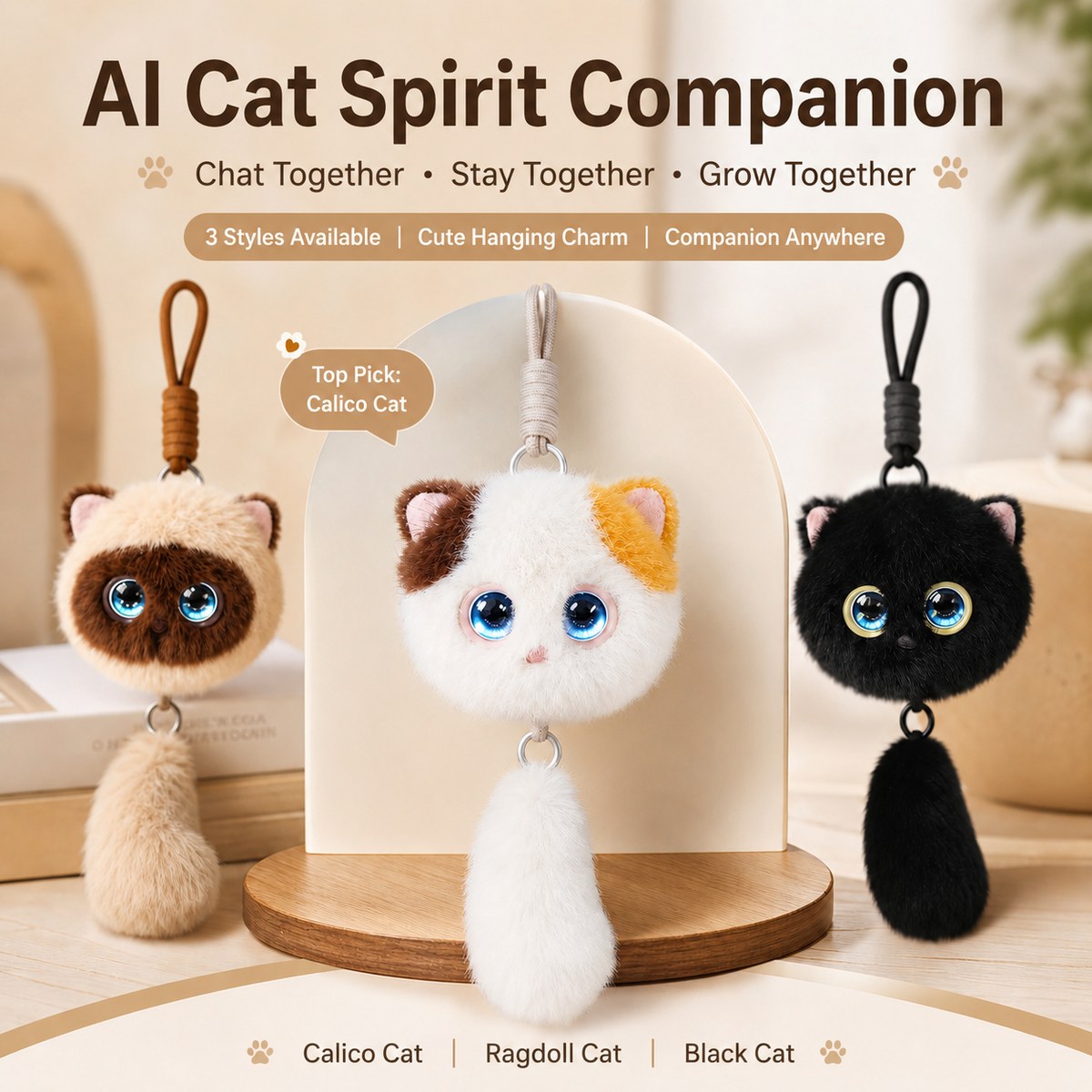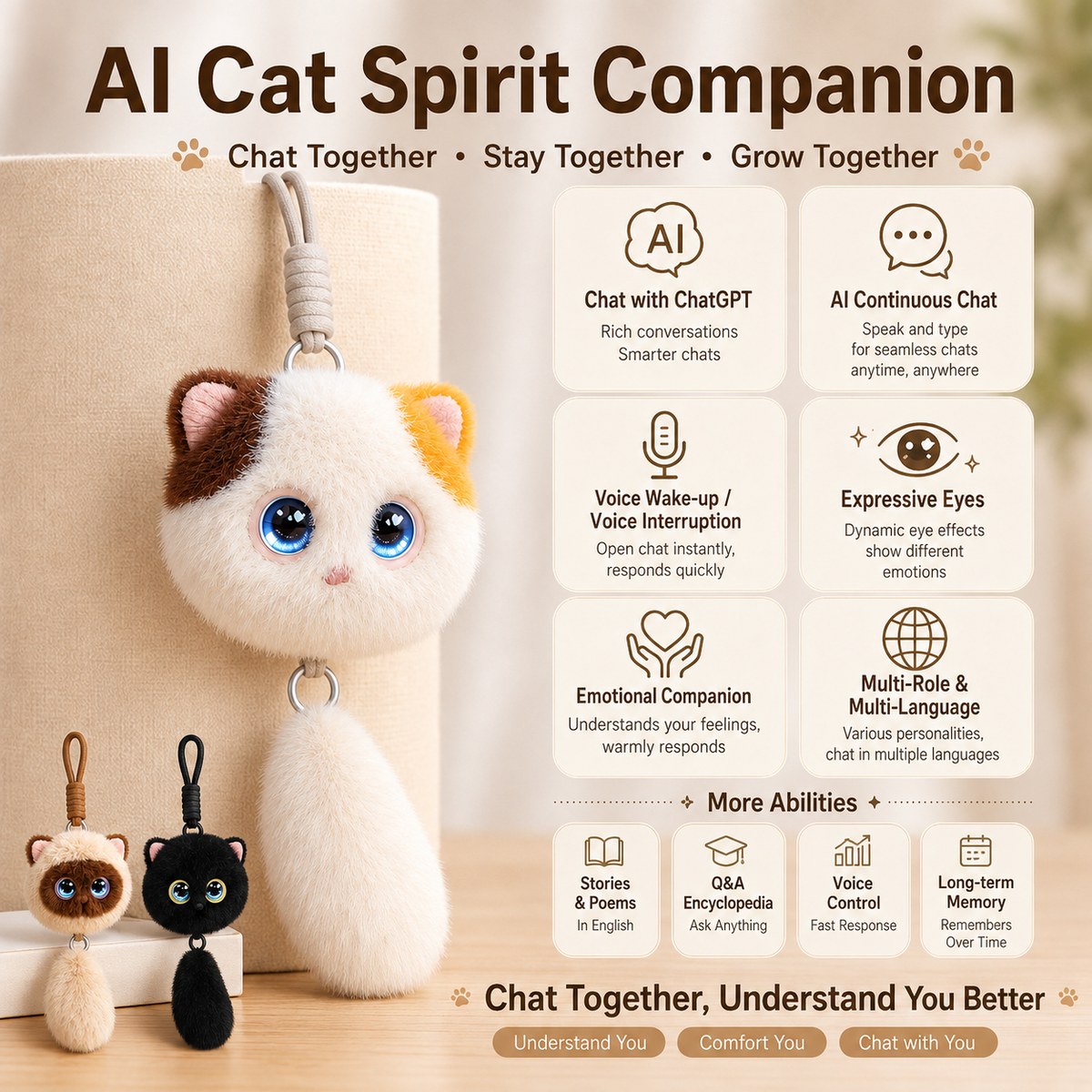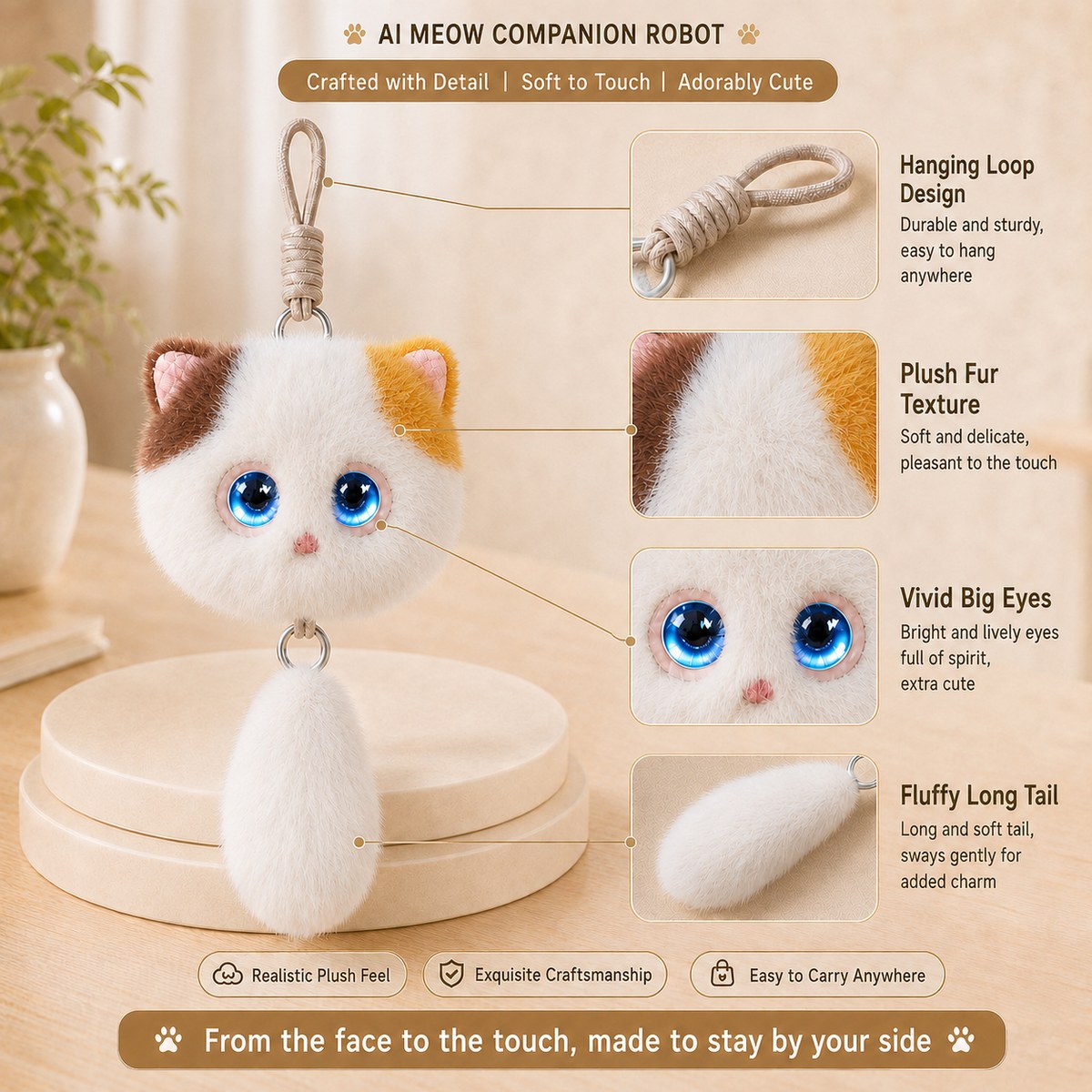
For most first-time buyers, MOQ is the number that decides whether a project starts at all. It is also the number suppliers are vaguest about, because it depends on things that are not on the spec sheet.
Here is what actually drives minimum order quantity on an AI plush toy, and how to structure a first order that tests the market without sinking capital into inventory you cannot move.
Why AI plush MOQs are higher than plain plush
A plain plush toy is fabric, fill and stitching. An AI plush toy is fabric, fill, stitching, a mainboard, a microphone array, a speaker, a battery, and firmware configuration. That extra layer changes the economics in three ways.
- Component minimums. Mainboards and batteries are ordered in batches. The electronics supplier sets a floor before the plush line even starts.
- Firmware configuration. Language packs and voice sets must be flashed and tested per unit. Small runs carry disproportionate setup time.
- Material runs. Specific plush, custom colourways and branded packaging each add their own minimum.
What to settle before you ask for a quote
MOQ is not a single number a supplier can quote in the abstract. It moves depending on four decisions you control.
- OEM or ODM. ODM starts from an existing platform and needs no tooling, so the minimum is much lower. OEM adds moulds, which is usually the largest single driver of MOQ.
- Colourway count. Three colourways means three SKUs to produce and pack. Starting with one or two lowers the first commitment.
- Branding depth. Logo on the retail box is cheap. Custom-shaped plush, custom ID cards and custom packaging each raise the floor.
- Language configuration. One language is simplest. Multi-language builds add per-unit work and testing.
A sensible first order
The pattern we see work most often: start with an existing ODM platform, one or two colourways, your branding on the box and product, and a single language set for your primary market. That gets you a sellable product with enough units to run a real market test — online listing, retail sample, or gift programme trial — without tooling investment.
If the product performs, the second order is where you move to more colourways, richer packaging, or a full OEM design. That sequencing keeps risk proportionate to evidence.
Questions worth asking
- What is the MOQ for the platform as-is, with only branding changed?
- What is the sample lead time, and what does a sample cost?
- Which specific changes to the spec would raise the MOQ, and by how much?
- What is production lead time after the deposit?
A supplier who answers these plainly is a supplier you can plan around. We build the MeowSprite and MeowVerse platforms in our own 15,000 square meter factory in Chongqing, with annual capacity of 250,000 units and about 70,000 exported a year. Tell us your target market and budget and we will give you a straight answer on what the first order looks like.