

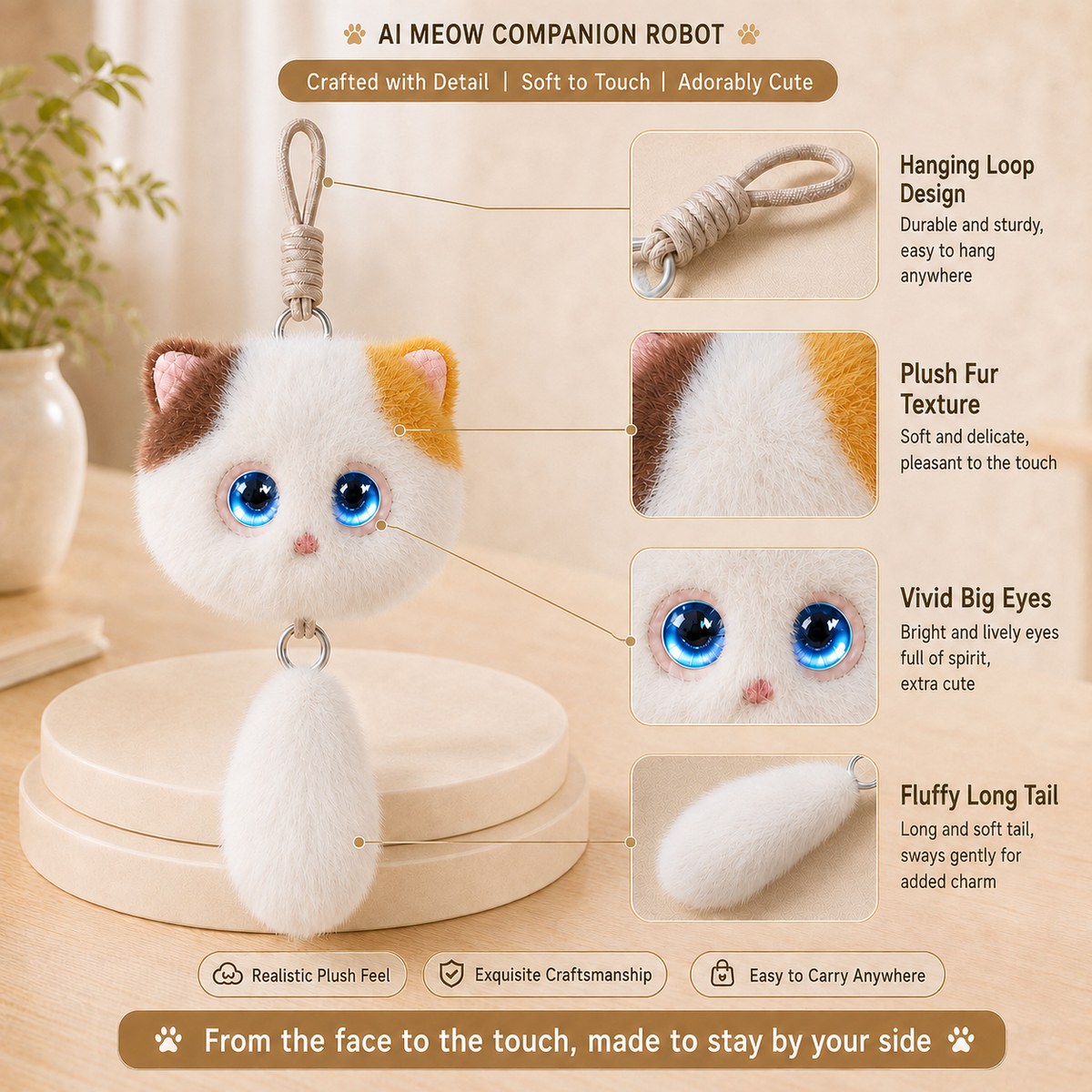
Canada looks like an easy add-on to a US program — same continent, similar retail structures, English-speaking majority. But Canada AI plush toy market entry runs on a two-layer compliance system that surprises brands: federal toy rules under the Canada Consumer Product Safety Act (CCPSA), plus Quebec’s French-language labeling mandate, which tightened significantly on June 1, 2025. Get the federal layer right and the Quebec layer wrong, and a fifth of the country’s consumers cannot legally buy your product. This is the entry checklist AI plush brands and their OEMs should work through before the first shipment.
The commercial case for doing the paperwork is straightforward. Canada is a high-income market where bilingual packaging is normal, retail buyers expect US-grade safety documentation, and a compliant Canada program is a rehearsal for the EU — if your packaging process can handle Quebec French, it can handle the next language. The brands that treat Canada as “the US with an accent” pay for the lesson in relabeled inventory.
Canada AI Plush Toy Market Entry: The Federal Layer
At the federal level, the CCPSA is the framework: it prohibits manufacturing, importing, or selling consumer products that pose an unreasonable danger, and it gives Health Canada enforcement powers including recalls and penalties. Under it, the Toys Regulations (SOR/2011-17) set the product requirements — mechanical and physical safety, flammability, and toxicological limits — that every toy sold in Canada must meet. For an AI electronic plush, that means the plush construction, the electronics housing, and the battery compartment all sit inside the same regulatory file.
- Importer responsibility is direct: the Canadian importer of record carries the compliance duty. US test reports to ASTM F963 do not substitute for the Canadian file — confirm with a qualified lab which Canadian requirements apply to your exact configuration.
- Documentation travels with the shipment: keep test reports, supplier declarations, and traceability records ready for Health Canada the way you would keep a CPC ready for US Customs — our AI plush safety compliance guide maps the US/EU regimes for comparison.
- Labeling basics are federal too: beyond Quebec’s French rules, federal requirements cover elements like age grading and hazard warnings — align them once, in both languages, rather than patching later.
Quebec’s French-Labeling Mandate: The Part Brands Miss
Quebec’s Charter of the French Language, strengthened by Bill 96, makes French labeling a market-access condition — not a courtesy. The core rule is old: everything written on a product sold in Quebec, including packaging and accompanying documents like instructions and warranties, must appear in French, and no other language may be more prominent than French. What changed on June 1, 2025 is the trademark trap: since that date, if a recognized non-French trademark contains a generic or descriptive term — words describing the product’s nature or characteristics — that term must appear in French on the product or its packaging.
- The brand name can stay; the description must translate: a trademark like “CUDDLEBOT” remains English, but “interactive plush companion” on the same box needs its French equivalent. The name stays, the description gets translated.
- Prominence is measured: French must be at least as prominent as any other language on the package — same visibility, same readability, never smaller or buried.
- E-commerce counts: products sold online to Quebec customers must meet the same standard, even when warehoused in another province.
- There is a sell-through window: products manufactured before June 1, 2025 that miss the new trademark-term rule can still be sold until June 1, 2027 under set conditions — but anything produced now must comply.
The practical fix is a bilingual packaging master designed once, not a Quebec sticker applied later. Our multilingual packaging guide covers how to structure multi-language boxes so compliance marks, warnings, and marketing copy coexist without a redesign per market — Quebec is the ideal test case for that discipline.
Batteries and Wireless: The Electronics Add-Ons
An AI plush is not just a toy in Canada’s regulatory view — it is a toy plus a battery product plus a radio device. Batteries inside products fall under the same consumer-product safety framework, and lithium cells shipped by air need the standard UN38.3 transport documentation regardless of destination. On the wireless side, Wi-Fi and Bluetooth modules need Canadian radio certification through ISED (Innovation, Science and Economic Development Canada) — a separate file from the toy safety file, with its own labeling marks. OEMs should confirm which module certifications the factory already holds before promising a Canada-ready SKU; a Wi-Fi module certified for the US market does not automatically carry Canadian approval.
The Pre-Shipment Checklist
- Federal file: Toys Regulations compliance evidence for the exact shipped configuration, held by the Canadian importer of record.
- Quebec French review: every descriptive and generic term on packaging, inserts, manuals, and the product itself rendered in French at equal prominence; trademark-term audit against the June 2025 rule.
- Radio certification: ISED approval for the wireless module, with the correct marks on the product or packaging.
- Battery documentation: transport test summaries and compartment safety evidence in the file.
- Traceability: lot and batch marking that lets Health Canada trace any unit to its production run — the same discipline our Australia entry checklist recommends for that market.
Treat the checklist as a gate, not a suggestion: Canadian retail buyers and distributors will ask for this file before listing, and Health Canada can ask for it at any time. The brands that clear Canada cleanly find the next market easier — the bilingual-packaging muscle and the importer-of-record discipline transfer directly.
Aslan Technology manufactures AI companion plush in a 15,000 m² facility with 10 years of experience, annual capacity of 250,000 units and 70,000 units exported each year. Our programs support bilingual packaging masters, market-specific labeling marks, and the documentation packs importers of record need. If Canada is your target market, tell us your target market and expected order volume, and we will map the compliance file your program needs before the first shipment.

