

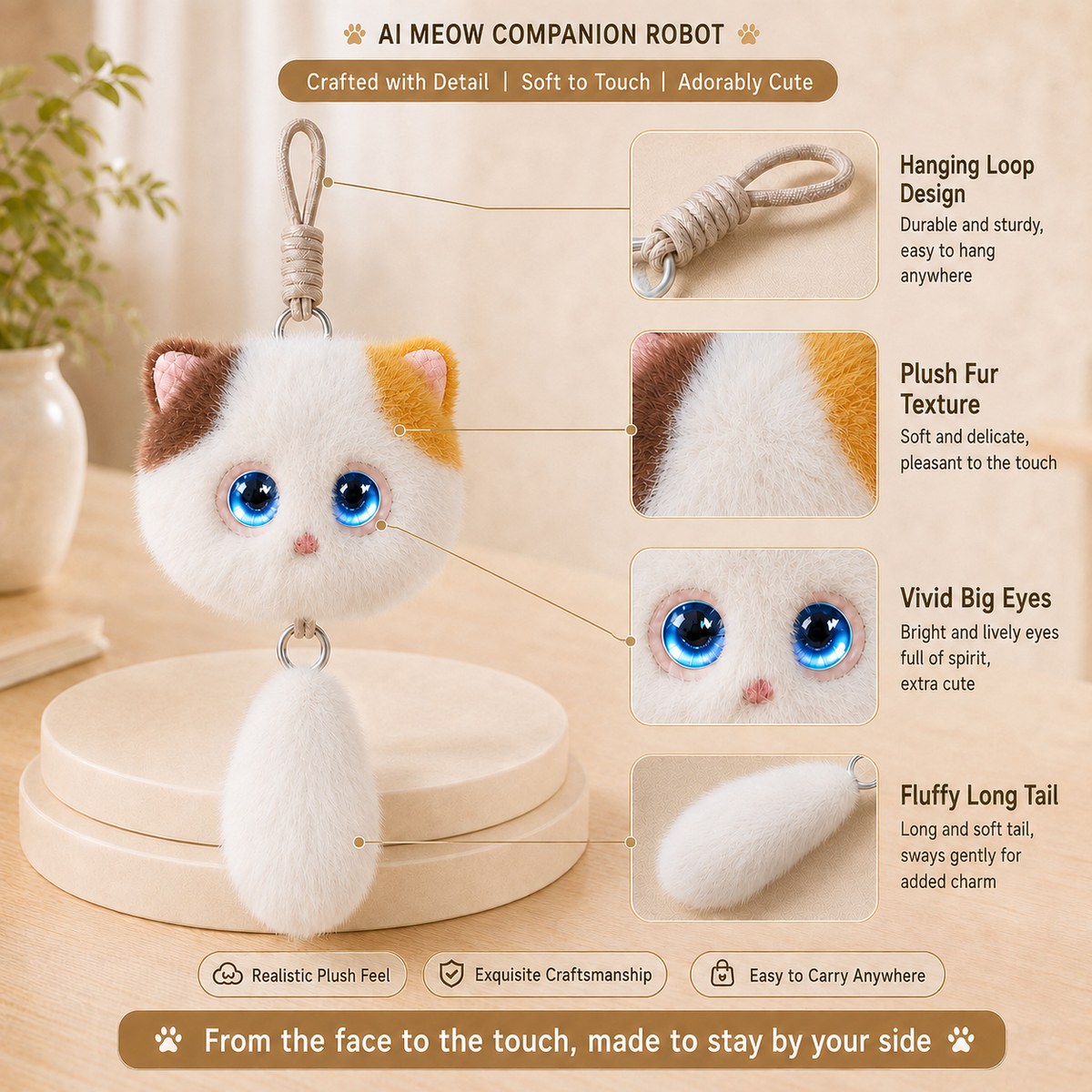
Compliance is not a line item on the back of an AI plush project; it is the gate that decides whether the toy can be legally sold in the United States and the European Union at all. A buyer who enters a plush program with the wrong standard in mind will not find out until the goods are already on a container.
For an AI plush toy, compliance is harder than for a classic stuffed animal because the toy is also an electronic device, a radio transmitter, and — increasingly — a child’s data handler. This guide walks through which standards apply, what they cost, and how to read a test report so you are not fooled by a certificate that does not cover your actual product.
Which standards apply in the US and the EU
A plush toy that holds an AI voice module sits at the intersection of four requirement sets. Most buyers know only the first.
- US toy safety — ASTM F963 + CPSIA. ASTM F963 is the mandatory US toy safety standard (small parts, flammability, sharp edges, battery compartments, chemical limits). CPSIA adds the lead and phthalate limits, mandatory third-party testing at a CPSC-accepted lab, and a Children’s Product Certificate. This pair is non-negotiable for the US market.
- EU toy safety — EN 71 and the Toy Safety framework. EN 71 parts 1, 2 and 3 cover mechanical and physical properties, flammability, and chemical migration from the fabric and any hard parts. For the EU you also need the CE declaration of conformity and the supplier documentation chain.
- Electrical safety — EN 62368 / UL if the toy charges or holds a battery. Any AI plush with a rechargeable lithium battery or a USB-C port is also an electrical product, which pulls in a whole second set of tests that many plush buyers never budgeted for.
- Wireless and radio — FCC Part 15 (US) and the RED / EN 300 328 (EU) for Wi-Fi and Bluetooth. The 2.4G module that connects the toy to the language model is a radio transmitter and carries its own certification in each market.
The fourth — and easiest to miss — is data privacy. We treat it as a sourcing requirement in our AI plush toy factory audit checklist, because a supplier’s documentation chain is where most gaps show up. Here, the point is that a connected plush is not just a toy, so a “toy-only” test report does not protect you.
What testing realistically costs
Numbers below are ranges we see quoted by labs and industry sourcing guides, not fixed prices. The actual figure moves with how many materials, colors, and sales countries you test, and how much of the program is electronic.
- Toy safety alone. A standard EN 71-1/2/3 package or a basic ASTM F963 + CPSIA run typically lands in the low-to-mid hundreds to around $1,000-1,500 per country test combination, before electronics.
- Add electronics. Electrical safety plus wireless certification for a battery-operated, Wi-Fi-connected plush adds substantially more — the radio and EMC work alone can run into the thousands per market.
- Both markets, fully. A connected AI plush targeting US and EU with toy, electrical, radio and privacy work is commonly quoted in the tens of thousands of dollars. Budget it from the first design review, not after the tooling is cut.
The single most expensive mistake in this category is discovering, after development is complete, that the product needs an extra standard you did not include — the fix is then a redesign and a full retest, not a paperwork update.
How to read a compliance report so it actually means something
A supplier will often hand you a certificate and call it done. Three checks separate a report that protects you from one that only looks protective.
- Does the report cover the actual SKU. The exact hardware, battery, fabric and firmware you are ordering. A report on the supplier’s “similar” model, or on the plush body only, does not cover the electronic module that makes it an AI toy.
- Is it issued by an accredited third-party lab for the market you are selling into, and does it cite the specific standard your market enforces (F963/CPSIA for the US, EN 71 + CE for the EU), not just “international safety.”
- Is it current. Reports have validity windows, and a test run before your design’s last revision is describing a product that no longer exists. Confirm the report’s date post-dates your final BOM.
Two companion posts close the loop: How to Inspect AI Plush Toys Before Shipment is the pre-shipment checklist, and Shipping AI Plush Toys: HS Codes & Duties covers how the toy is classified for clearance once it passes.
Tell us which markets your plush is heading to — US, EU, both, or a gift channel — and your volume. We will tell you honestly which of these standards your design actually triggers, where a “toy-only” report will leave you exposed, and what a realistic compliance budget looks like for that exact SKU.

