

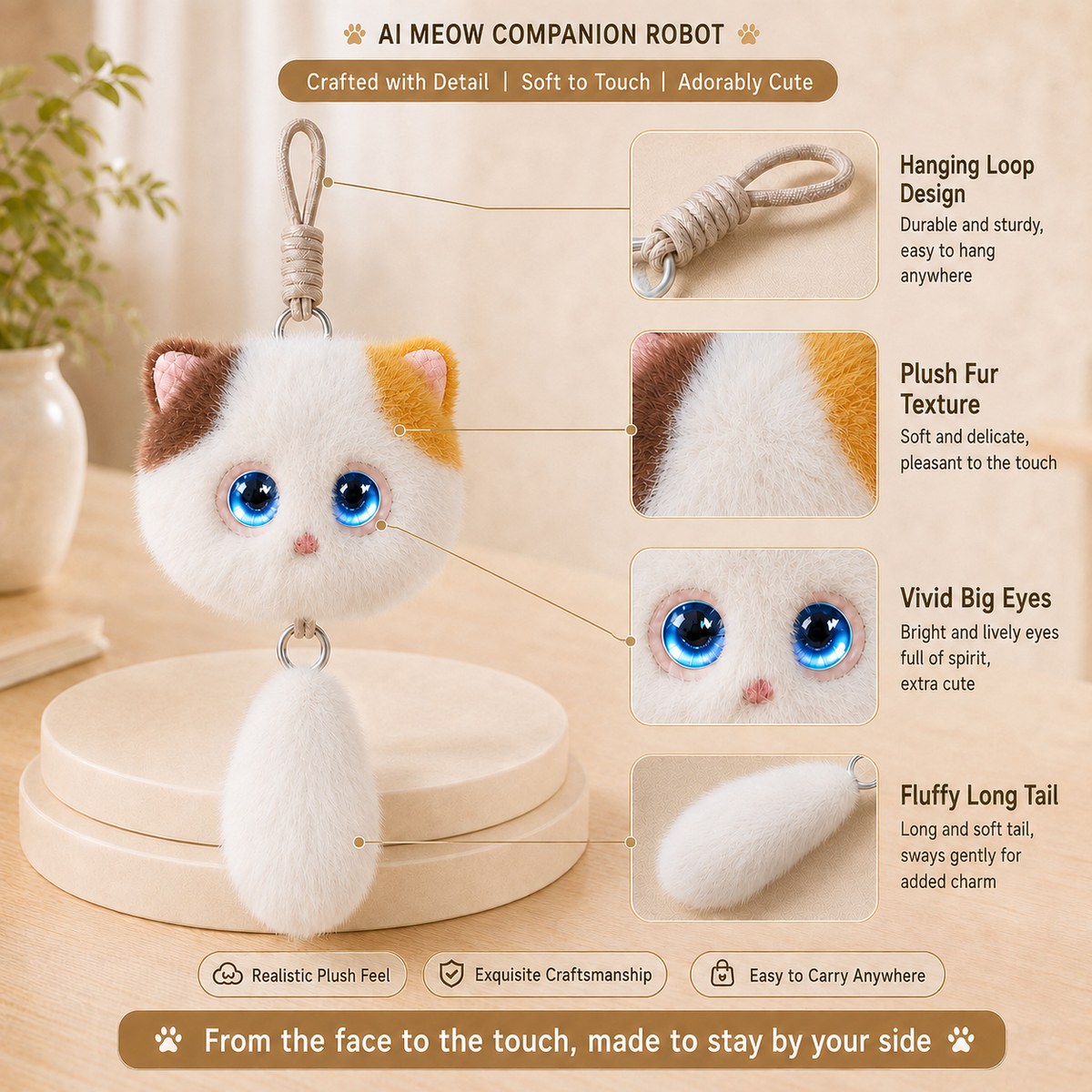
EU battery regulation AI plush obligations caught many brands by surprise: if your AI plush toy contains a battery — and almost all of them do — you are a battery “producer” under Regulation (EU) 2023/1542, even if you never manufactured a cell in your life. The regulation applies to batteries whether sold standalone or built into products, and it makes extended producer responsibility (EPR) inescapable: registration in every EU member state where you sell, collection targets you help finance, and a due-diligence clock that is already ticking.
Why the EU battery regulation AI plush rule applies to you
The regulation has applied since February 18, 2024, with obligations phasing in over several years, and it fully replaced the old Battery Directive 2006/66/EC on August 18, 2025. Crucially, there is no separate “battery seller” loophole for device brands: an importer or distributor who is the first to supply batteries in a member state counts as the producer there. The battery pack inside a plush toy counts toward your registration and reporting in each country of sale.
There is also a design consequence on the horizon: from February 18, 2027, portable batteries in appliances must be readily removable and replaceable by end users with commercially available tools. AI plush toys with glued-in electronics cores should be designed now for serviceable battery access — see our notes on EU repairability expectations for AI plush.
What EPR registration actually costs and involves
Budget roughly EUR 200 to 600 per member state per year for registration alone, before any service-provider fees — selling into five countries typically means EUR 1,000 to 3,000 annually just for the registrations. The mechanics differ by country: Germany routes through Stiftung EAR, France through approved eco-organisms, Spain through schemes like Ecopilas. Each registration is tied to a battery category, and AI plush toys land in the portable-battery category. Distance sellers shipping cross-border are treated as the producer in the country of sale, so there is no “my factory handled it” — whoever first places the battery on that national market owns the registration.
Layered on top is the authorized-representative requirement under the General Product Safety Regulation (EU) 2023/988: non-EU manufacturers must appoint a physical EU-based representative whose name and address appear on the product labeling. Many brands combine this with their EPR compliance service, but the mandate and the paperwork are separate — confirm both are in place before the first shipment, not after a customs officer asks.
Labels, markings, and what your factory must put on the toy
Labeling is where factory execution matters. Under the regulation, batteries must carry the CE marking, the separate-collection symbol, and identification of the model, batch or serial number, manufacturer, and importer. Instructions and safety information must be provided in a language end users easily understand in each country of sale — a box printed only in English fails in most EU markets. When you audit a new supplier, ask to see the actual labeling artwork and the EU declaration of conformity for the battery category, not just a generic CE certificate for the plush.
EPR registration: per country, no shortcuts
There is no single EU-wide battery EPR registration. Sell in five countries and you need five registrations — typically EUR 200 to 600 per country per year — through national producer-responsibility organisations such as Stiftung EAR in Germany or EcoOrganisme in France, with regular quantity reporting and take-back financing. Online platforms are also in the loop: marketplaces get access to non-public producer registers to check their sellers, so unregistered brands risk delisting.
Importers carry extra duties under Article 41 of the regulation: before the first sale they must verify the manufacturer completed conformity assessment, drew up the EU declaration of conformity and technical documentation, and applied CE marking with the required labels; the battery must carry model, batch, manufacturer and importer identification; and the importer keeps a copy of the declaration for 10 years. Selling a battery-powered plush under your own brand can make you the “manufacturer” for regulatory purposes — a detail to settle in your OEM contract.
The timelines that matter now
- CE marking on all batteries — mandatory since August 18, 2024.
- Collection targets you finance — 63% for portable batteries by end of 2027, rising to 73% by 2030, plus a 50% lithium recovery target by 2027. These are mandatory thresholds tied to your right to operate, not aspirations.
- Supply-chain due diligence — originally due August 18, 2025, delayed to August 18, 2027 by Regulation (EU) 2025/1561. The clock is running.
- Recycled content — battery-passport documentation duties arrive from 2027; material quotas (cobalt, lithium, nickel) bite from August 2031.
Non-compliance exposure is severe: customs authorities across all 27 member states enforce at the border, and fines can reach 4% of annual turnover. Connected toys face an overlapping regime — our EU Cyber Resilience Act briefing for AI toys covers the cybersecurity layer — so treat battery, product-safety, and cyber compliance as one program, not three.
At Aslan Technology, our 15,000 m² facility produces up to 250,000 AI companion toys per year and ships 70,000 units abroad annually, with 10 years of OEM/ODM experience behind every export program. We provide CE and UN38.3 documentation with every OEM order and design battery compartments for removability from day one. If you are planning AI plush sales in the EU, tell us your target market and expected purchase volume — we will map your EPR and documentation needs per country before your first shipment.

