

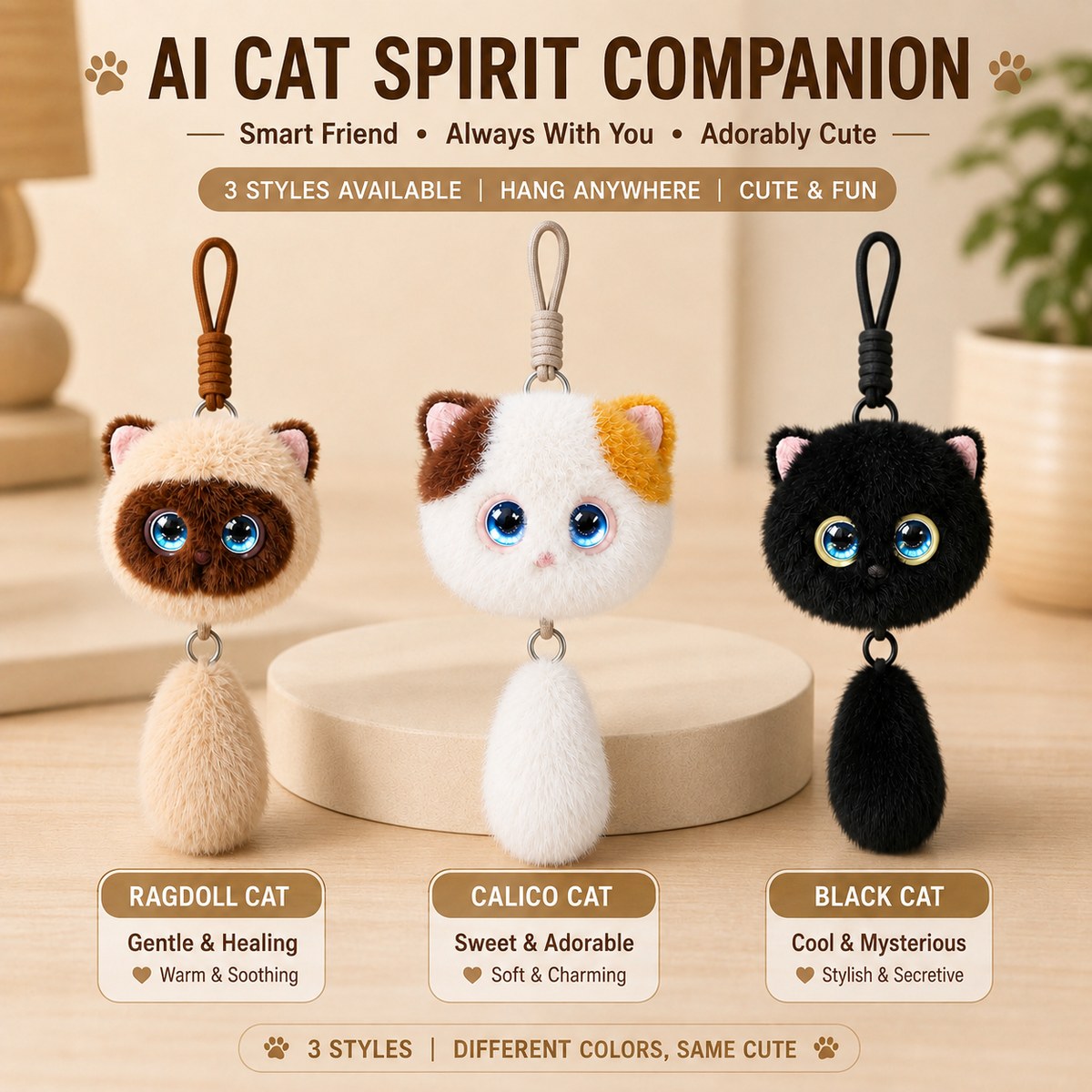
Repairable AI plush toys are about to move from a nice-to-have design choice to a regulatory expectation. The EU’s Right to Repair Directive (2024/1799) entered into force in July 2024 and must be transposed into national law by all member states by July 31, 2026 — with the rules applying from that date. While the directive’s initial mandatory-repair list does not name toys, the direction is unmistakable: products that cannot be repaired will face commercial and regulatory headwinds across Europe. For AI plush makers, repairability is a design decision that needs to happen now, at the CAD stage.
What the EU Right to Repair Directive Actually Requires
The directive, adopted in June 2024, creates a framework that makes repair more attractive and accessible for consumers. Sellers must prioritize repair within the legal guarantee period when it costs the same as or less than replacement, and the legal guarantee extends by one year once a product is repaired. Consumers gain the right to request repair after the guarantee expires for listed product categories — washing machines, vacuum cleaners, smartphones among the first — and the Commission can extend that list over time. Manufacturers must publish information about their repair services and, for products subject to reparability requirements, provide spare parts under defined conditions.
Two details matter for AI plush brands. First, the repair obligation attaches to products “whilst they are subject to the reparability requirements,” and ecodesign rules are steadily expanding into electronics-adjacent categories. Second, an EU importer that brings goods in directly from non-EU countries carries the same obligations as the manufacturer — which means the brand selling AI plush into the EU cannot outsource repair responsibility to a Chinese factory and wash its hands of it. Importers and authorized representatives own this.
Repairable Design for AI Plush Toys: What Changes
A traditional plush toy is repaired with a needle and thread. An AI plush toy is a textile shell around an electronics core — and most failures are electronic: batteries that no longer hold charge, microphones that degrade, speakers that crackle. Repairable design therefore means designing the electronics as modules from the start. Here is what buyers should specify:
- Modular electronics core. The battery, mainboard, speaker, and microphone should be removable as a single module or as individually replaceable units — held by screws or clips, not glue, and not sewn permanently into the plush body.
- Battery replaceability. The single most common end-of-life failure in any connected device. Specify a standard cell or a supplier-guaranteed replacement pack available for a defined number of years.
- Spare parts supply commitment. The directive’s spare-parts logic runs on defined availability periods. Negotiate a parts-supply clause in the OEM contract — modules, cables, charging accessories — with a stated supply horizon, not just “available on request.”
- Serviceability documentation. Manufacturers will be expected to publish repair information. Specify that the OEM delivers disassembly instructions and parts diagrams as part of the design package.
- Data wiping as part of repair. A child’s voice recordings live on these devices. Any repair workflow must include a documented data-wipe step before the unit returns to the field — the same erasure discipline we describe in our children’s voice data erasure guide.
How Repairability Connects to Spare Parts, Warranty, and Refurbishment
Repairable design is not a standalone feature — it is infrastructure that makes three other commercial programs work. Spare parts kits for distributors become viable only when modules are standardized across models; see our breakdown of spare parts kits for AI plush distributors. Warranty terms get cleaner, because the factory can define which failures are module-swaps versus full replacements — covered in our guide to AI plush warranty terms. And trade-in or refurbishment programs, which give brands a second sale from the same hardware, depend entirely on devices designed to be opened, fixed, and resold.
The Cost Question: What Repairability Adds
Modular design is not free. Clips and connectors cost more than adhesive, standard cells cost more than custom packs, and spare-parts inventory ties up working capital. But the alternative is a product line that faces repair obligations it was never designed to meet — plus the competitive cost of brands that got there first. Eurobarometer polling repeatedly shows roughly three-quarters of EU consumers would rather repair than replace, which means repairability is also a marketing claim: “designed to be repaired” differentiates on the shelf long before it satisfies a regulator.
The pragmatic path is to design repairability in as a product platform decision, not per-model improvisation: one modular core architecture shared across the brand’s AI plush line, one spare-parts program, one published repair policy. That amortizes the cost across SKUs and turns compliance into a brand asset.
Aslan Technology develops AI companion plush toys with modular electronics architecture and can build spare-parts supply and serviceability documentation into OEM programs for brands selling into the EU. If repairability is on your compliance roadmap, tell us your target markets and expected order volumes, and we will outline how a repairable platform design fits your product line.

