

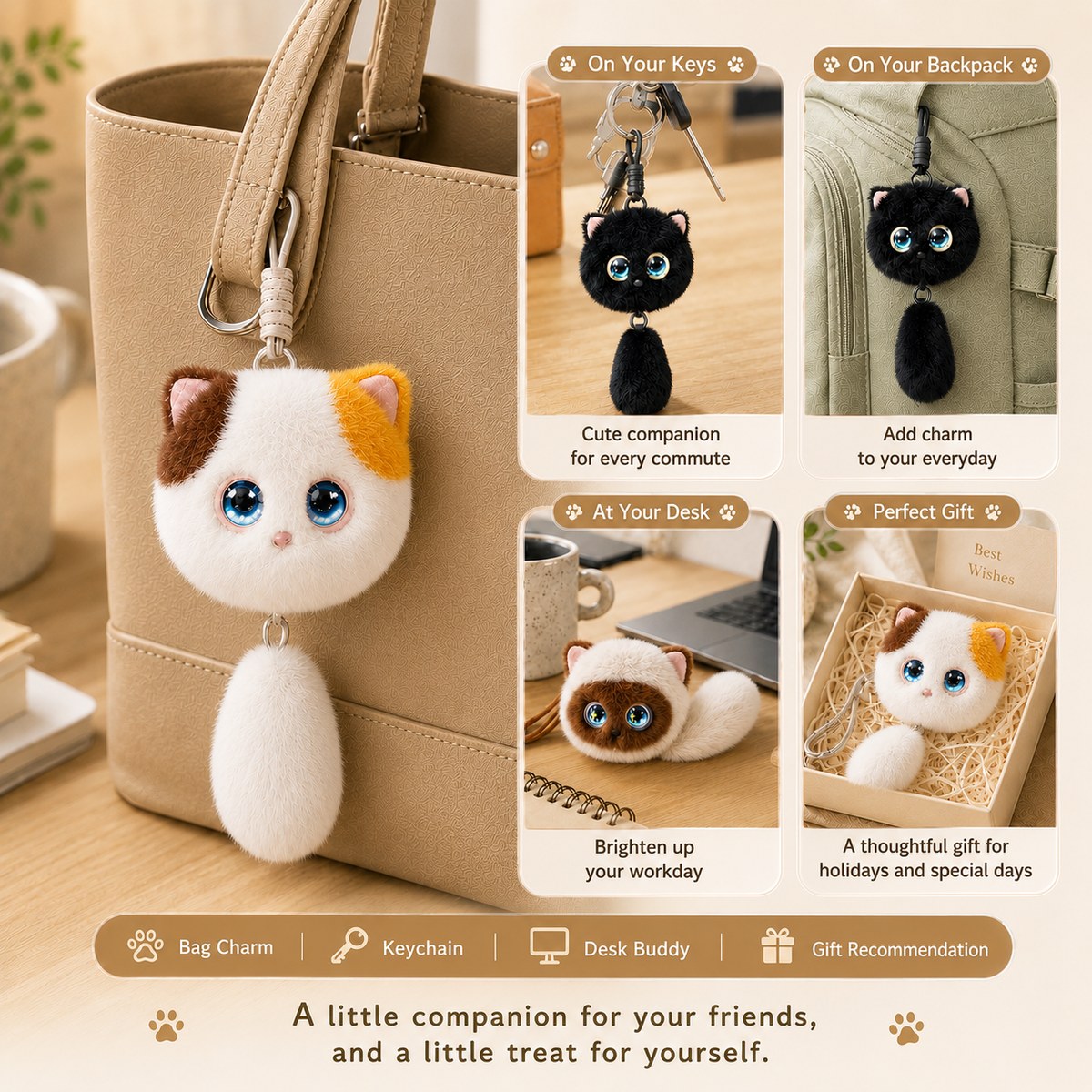
AI plush demo units are the difference between a toy that gets picked up and one that gets passed by. Shoppers buy what they can talk to: a silent plush on a shelf is decoration, while a plush that greets a curious child sells itself. For brands placing AI companion toys in retail, demo units, tester modes, and in-store charging are not accessories to the launch — they are the launch.
Why AI Plush Demo Units Sell Harder Than Displays
Research on retail presentation is consistent: imaginative, interactive in-store displays raise purchase intention and actual sales compared with static ones — a recent study across Australia, the UK, and the US, slated for the Journal of Marketing, found the effect works by increasing shopper arousal and the perceived benefits of the product. For AI plush toys, the “display” can literally talk. A tester plush that responds to a child’s voice does what no cardboard header card can do: it demonstrates the product’s core value proposition in ten seconds. Retail specialists routinely report that in-store demos — even simple “try before you buy” setups — lift conversion on interactive electronics categories.
The asymmetry matters because AI plush toys carry a higher price point than ordinary plush. The parent’s objection is not “do I like the face” but “will my child actually use it.” A working demo answers that objection before it is asked. Brands that invest in demo programs effectively buy down the consideration barrier that their price creates.
Tester Modes: What a Retail AI Plush Should Be Able to Do
A demo unit is not just a regular product sitting on a shelf. It needs a purpose-built tester mode — firmware that makes the unit behave well in public. Buyers and brands should specify the following in the OEM agreement:
- Kiosk mode with guided content. The demo unit should run a curated loop: greet visitors, answer a few showcase questions, tell a story excerpt. It should not wander into open-ended conversation that a store’s WiFi cannot reliably support.
- Privacy-safe demo behavior. A public demo unit will hear children’s voices all day. Specify that demo mode stores no voice recordings and shows no conversation history — and that resetting is automatic on each wake cycle, so no child’s voice persists on the floor unit.
- Volume and content guardrails. The tester should run at a fixed, safe volume and a whitelisted content set, regardless of what the network is doing.
- Theft and damage resilience. Tether points, tamper-resistant charging ports, and a hardened demo firmware that cannot be re-flashed by a visitor.
- Remote content refresh. The ability to push seasonal demo scripts — a holiday greeting, a new character voice — keeps floor units fresh without a store visit.
In-Store Charging and Floor-Unit Economics
The unglamorous part of any demo program is power. A demo AI plush runs far harder than a home unit — hundreds of wake cycles a day — which means standard consumer battery math does not apply. Brands should specify demo units with either continuous docked power or oversized cells, and the charging dock should be designed into the display fixture, not left as a cable dangling behind the shelf. Magnetic or cradle charging that a store associate can dock in one motion beats cables that go missing.
Demo unit economics should be modeled honestly: units on the floor wear out, get damaged, and eventually rotate out. Plan for demo replacement stock at a fraction of the store footprint, budget for store-associate training on the basics, and treat demo units as a marketing cost — which is exactly what they are, and a far more efficient one than paid social. Our analysis of trade-in and refurbishment programs shows how retired demo units can even be refurbished and resold, recovering part of that cost.
Demo Programs as Part of the Channel Strategy
Demo strategy varies by channel. Flagship and specialty toy stores — think FAO Schwarz-style experiential retail, where dedicated demonstration staff run live toy demos — justify the richest setup: staffed stations, full tester firmware, event content. Big-box placement favors a leaner approach: a tethered tester with kiosk mode inside the standard shelf display, as we discuss in our Amazon listing playbook‘s treatment of off-Amazon channels. Social-commerce-driven retail, from TikTok Shop pop-ups to live-selling booths, needs the most theatrical version: the live demo is the sales pitch, per our TikTok Shop channel playbook.
Whatever the channel, the rule holds: in AI plush, the demo is the ad. Specifying tester modes, privacy-safe behavior, and charging infrastructure with the OEM — before the first production order — is what separates a retail launch that talks from one that sits silent on the shelf.
Aslan Technology builds demo-mode firmware and in-store display support into OEM programs for AI companion plush toys, from kiosk-mode content scripts to charging-ready fixtures. If retail placement is part of your launch, tell us your target markets and expected order volumes, and we will spec the demo program that makes your product talk on the floor.

