

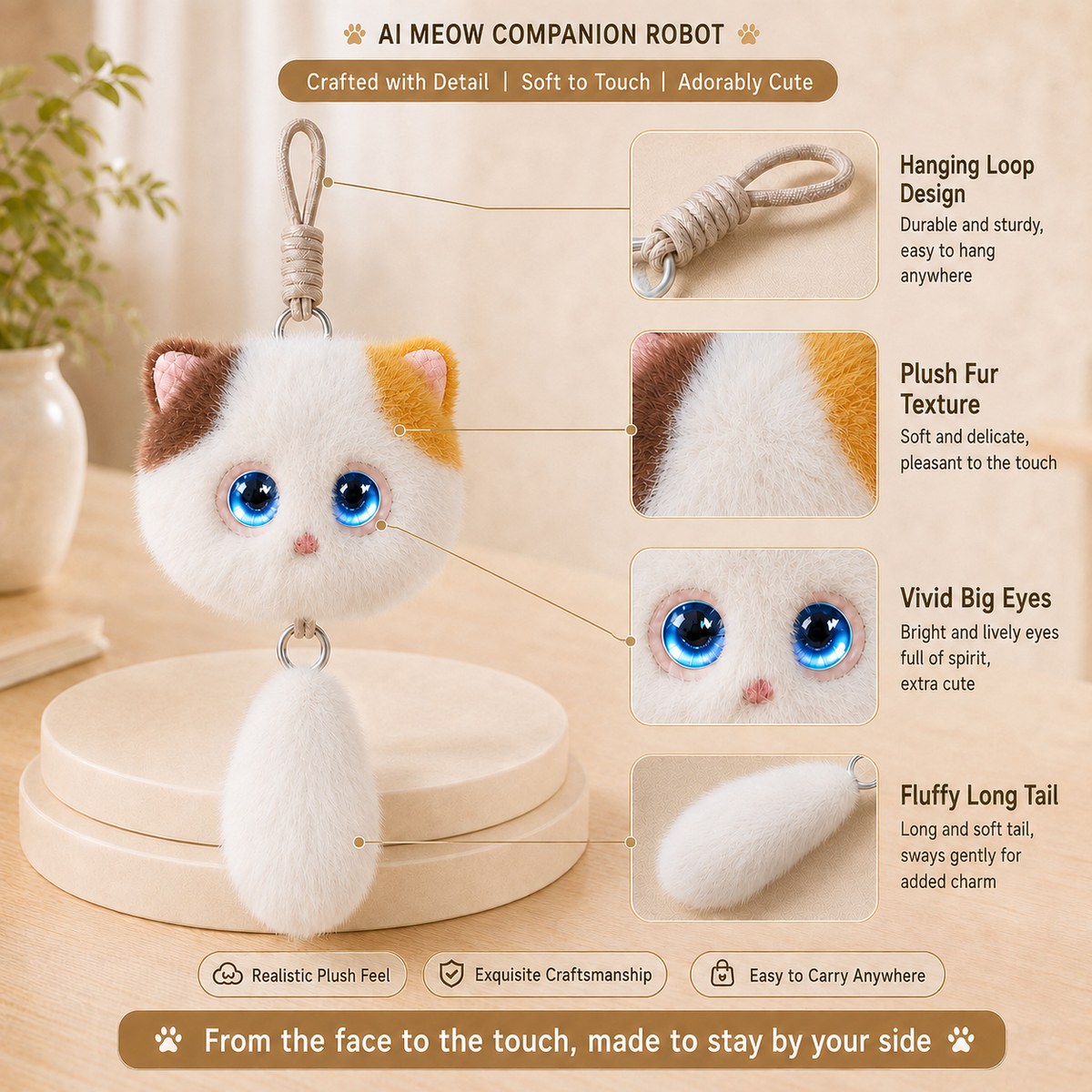
AI plush hotels hospitality is a channel most toy brands overlook, and most hotels have never been pitched properly. Hotels already buy plush: for children’s welcome amenities, for the gift shop, for loyalty programme rewards and for the kids’ club. An AI plush companion fits all four of those buying points, because it is a toy, a welcome gift and a small piece of entertainment in one product. This guide explains what hotels actually order, who decides, and how an AI plush brand should pitch the channel.
What Hotels Actually Buy
Hotel buying is not retail buying. A hotel does not order one hero SKU and hope it sells; it orders for a specific use, in a specific quantity, on a repeating schedule. The four uses that matter for AI plush are the children’s welcome amenity, the gift shop, the kids’ club, and the loyalty or VIP gift. Each one has a different buyer, a different budget and a different tolerance for complexity.
- Welcome amenities: a small AI plush left in the room for children at check-in, usually ordered in the hundreds per property per season, replaced as stock runs out.
- Gift shops: a retail range of two or three SKUs sold at a markup, where the talking feature is the reason a guest picks it up instead of a standard bear.
- Kids’ clubs: a small fleet of durable units shared between children, where washable covers and a mute switch matter more than packaging.
- Loyalty and VIP gifts: a premium branded companion for returning family guests, ordered in small runs with the hotel’s own branding.
Who Decides, and What They Care About
The decision-maker is rarely the general manager. Welcome amenities sit with the rooms division or guest experience team, gift shops with the retail or procurement manager, and kids’ clubs with the recreation or family experience lead. All three care about the same three things: does it work without staff help, does it survive children, and does it create a complaint. A toy that needs an app download, a WiFi password or a staff member to set it up will be rejected at the first meeting, however clever the conversation engine is. App-free operation over the hotel’s WiFi or a phone hotspot is the practical requirement for this channel, and it should be the first thing in the pitch.
Privacy is the second gate. A hotel is lending a listening device to a stranger’s child, so the buyer will ask where voice data goes, whether it is stored, and how it is deleted. A clear one-page data statement, with a short retention period and a visible microphone-off option, answers that question before it becomes a legal review. Brands that cannot answer it in one page will not get to the price discussion.
AI Plush Hotels Hospitality: The Kids’ Club Angle
The kids’ club is the easiest entry point, because the staff are already supervising play and the toy is shared rather than given away. A club order is typically ten to thirty units, and the pitch is about durability and hygiene: removable washable covers, a battery that lasts a full session, and content that staff can set to a fixed language and character. Our guide to AI plush toys in hotel kids’ clubs covers the setup in more detail. Once a property is happy with the club units, the conversation about welcome amenities and the gift shop becomes much easier, because the brand is already inside the building.
Packaging and Branding for Hospitality Buyers
Hospitality buyers want their own mark on the product, not yours. Offer the hotel’s logo embroidered or printed on the plush, a welcome card in the hotel’s voice, and packaging that looks like a gift rather than a retail box. Keep the SKU count small: one character in two or three colourways covers most properties, and a single character keeps spare parts and staff training simple. Custom character development is a second-phase conversation, after the first order has proved the concept. For the wider logic of branded hospitality gifts, see our guide to AI plush toys as corporate gifts.
Pricing and Order Patterns
Hotel orders are smaller than retail orders but far more repeatable. A single property might order a few hundred units a season; a chain rolling out a family programme across twenty properties can reach several thousand. Price the first order to win the trial, and protect the margin on the repeat orders, because a hotel that reorders every season is worth more than a retailer that lists once and delists. Offer a simple replenishment path: the same SKU, the same price band, and a short lead time for top-ups, so the property never has to re-approve a new product.
The channel also travels well. A resort that works in the summer season, a city hotel that hosts family weekends, and a cruise line’s kids’ club all buy on the same logic, and a supplier that serves one can usually serve the others. Our guide to AI plush on cruise ships and our airport travel retail guide cover the two nearest neighbours of the hotel channel.
How to Pitch a Hotel Buyer
Lead with a demo unit, not a catalogue. Send one working plush, pre-set to the hotel’s language, with a welcome message recorded in the hotel’s name, and let the buyer hand it to their own child. Follow with the one-page data statement, the washability and battery facts, and a simple price for the first trial order. Hotels buy on trust and on the absence of problems; the brand that makes the trial effortless wins the channel.
Aslan Technology manufactures AI companion plush toys in a 15,000 square metre facility in Chongqing, with annual capacity of 250,000 units, 70,000 units exported each year and 10 years of manufacturing experience. If you are a hotel, resort or hospitality group planning a family programme, tell us your target market and order volume, and we will send a demo unit set up for your property.

