

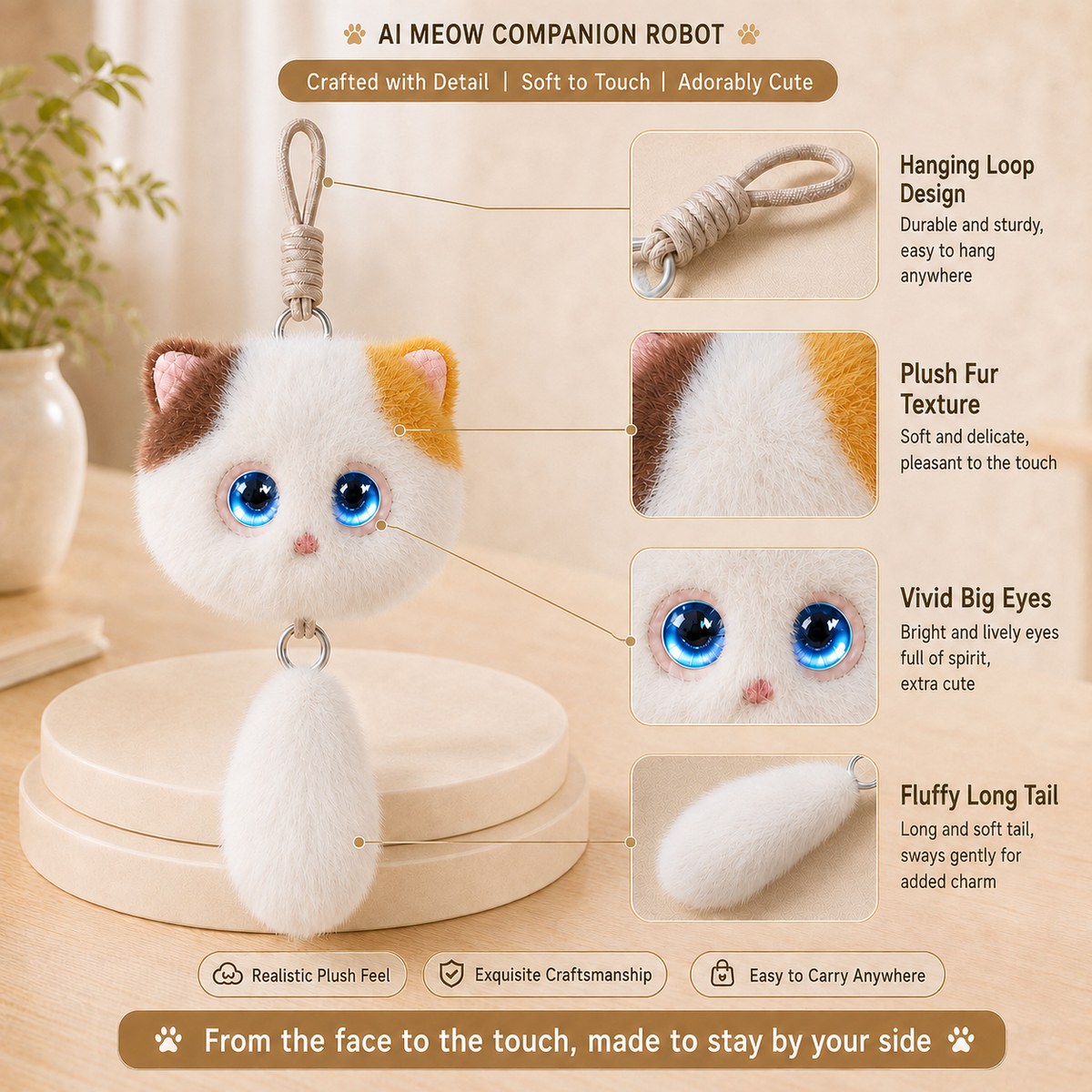
AI plush influencer seeding marketing works because the product is made for short video. A toy that answers back, remembers a child’s name, and reacts to a hug gives a creator a reaction shot no script can fake. But seeding is not a shortcut. Send the toy to the wrong creator, brief it like a television ad, or skip the disclosure rules, and the same video that should have built trust becomes a wasted sample and a compliance problem. The playbook below covers who to pick, how to brief them, and how to tell whether it worked.
Seeding Is Not Buying a Post
Product seeding means sending a creator a free product with no fee attached and no guaranteed post. That is the whole deal, and it is what separates seeding from a paid collaboration, where a fee buys agreed content, a deadline, and an approval step. With seeding, the creator tries the toy and posts only if they genuinely like it. That is also why it works: an unscripted reaction from a parent creator carries more weight with buyers than a polished brand video. Seeding is best for discovery, honest reactions, and finding the creators worth booking properly later. It is a poor tool for a launch date that cannot move, because no post is ever promised.
Picking Creators: Audience Over Follower Count
The right creator has an audience that overlaps with your buyers and a content style that fits the product. For AI plush, that usually means parenting creators, early-years educators, and family lifestyle accounts, not generic toy unboxers. A creator with 30,000 engaged parents will outperform a 300,000-follower generalist account, because the smaller audience is actually shopping for children’s products. Check three things before outreach: who comments on their posts, whether they have posted about toys before, and whether their children are in the right age range for your product. A creator whose child is 12 will not film a convincing reaction to a toy built for a four-year-old.
Watch for the red flags. Creators who post five sponsored unboxings a week have trained their audience to scroll past them. Accounts with sudden follower spikes and near-zero comments are usually bought. And any creator who promises a guaranteed positive review for a free product is offering something no honest brand should accept. Keep the list small enough to manage by hand: a spreadsheet with handle, platform, reason for selection, contact status, tracking number, and post link is all the tooling a first wave needs.
The Brief: Give Them Moments, Not a Script
The best brief for a talking plush is a list of moments, not a script. Suggest the first conversation, the bedtime story, the moment the toy remembers something from yesterday. Then step back and let the creator film what actually happens. A child interrupting the toy mid-sentence, or laughing when it mishears a word, is the content that sells the product, and no brand script will ever produce it on demand. The one thing the brief must be strict about is claims. If the toy is not certified for a given age, the creator must not say it is. If the voice data stays on device, say so; if it goes to the cloud, say that instead. False claims in a creator video are the brand’s problem, not the creator’s, so put the approved claims in writing and keep the list short enough to remember.
The package itself is part of the brief. The unboxing moment is often shared as much as the product, so ship the full-size product undamaged, add a short personal note that uses the creator’s name, and include a card with the product story and a named contact for questions. Keep the box easy to open on camera and easy to photograph. A creator who fights with packaging films the fight, not the toy.
Disclosure Rules: The Part Brands Cannot Skip
A free product is a material connection under the US Federal Trade Commission’s Endorsement Guides, even when the brand never asked for a post. If a creator mentions a product they received for free, they must disclose the relationship, and the brand is expected to tell them how. The FTC’s own guidance is direct: the word “gifted” on its own is ambiguous, but “gifted by [brand name]” should be sufficient when all the creator received was a free product. The disclosure must sit with the endorsement itself, in the video and not only in the description, and it must be hard to miss rather than buried in a hashtag block. The maximum civil penalty is $53,088 per violation, a figure the FTC kept at its 2025 level for 2026. That number alone justifies a one-page disclosure sheet in every seed box.
The rules differ by market, and a cross-border seed list has to respect each one. In the UK, the Advertising Standards Authority updated its influencer guidance in October 2026, and brands are expected to tell creators how to disclose and to check their posts. Instagram, TikTok, and YouTube all treat gifted products as branded content that needs the platform’s paid partnership label. An EU-wide check found that only one in five influencers consistently disclosed their ads, even though almost all of them posted commercial content, which is exactly why regulators are looking harder at this area. The practical rule for a brand seeding across markets is simple: write the disclosure instruction once, in plain language, put it in the box, and check the post when it goes live.
Measuring the Return: What Counts as Success
Seeding returns are measured in three layers. The first is content: how many creators posted, how many videos were usable as advertising material, and whether any of them produced a moment worth reusing. The second is traffic and sales: give each creator a distinct discount code or link so the return is attributable, and watch for the long tail, since a good parent-creator video keeps selling for weeks after it posts. The third is learning: which creator type converted, which moments audiences replayed, and which claims triggered questions in the comments. That learning is the real asset of a first wave, because it tells you who to pay for a proper campaign next.
Do not judge a wave on follower growth or likes. Judge it on cost per posted video, cost per attributed order, and how many creators you would book again at a paid rate. A wave that produces three creators worth paying is a success, even if twenty boxes went unposted. A wave that produces thirty posts and no repeatable creator is a cost, not a campaign. Follow up with every creator who posted, thank them, and ask what would make a paid collaboration work. The creators who answer that question honestly are the ones to build a relationship with. Our TikTok Shop playbook for AI plush shows how those creator relationships turn into a selling channel once the product is live, and our guide to product photos that sell AI plush online covers the visual standard your own listings need to meet before creator traffic arrives.
At Aslan Technology, we manufacture AI companion plush in a 15,000 m² facility with 10 years of OEM experience, an annual capacity of 250,000 units, and 70,000 units exported every year. If you are planning an AI plush program, tell us your target market and expected order volume, and we will map the design, compliance, and channel options to your program.

