

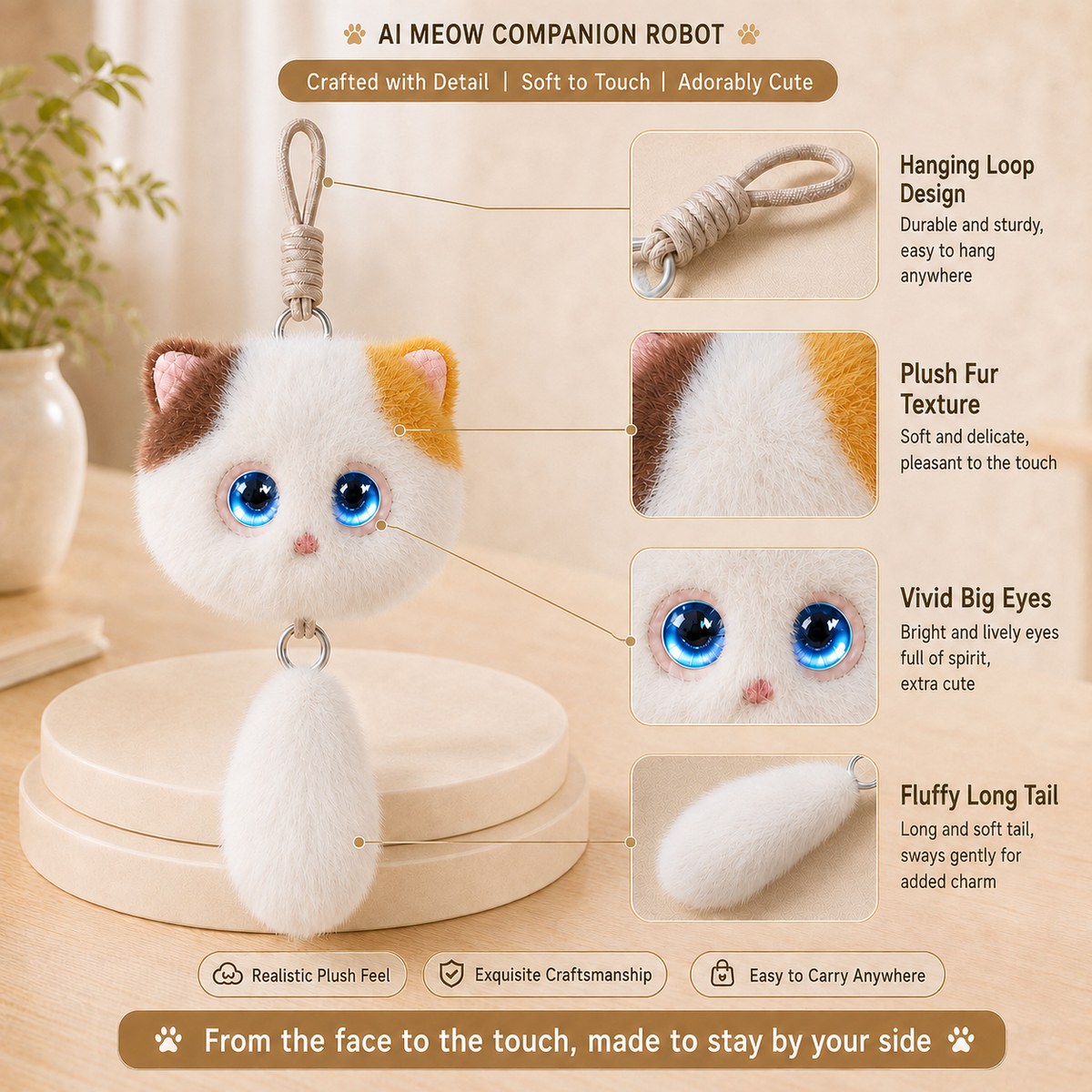
COPPA verifiable parental consent AI toys rules changed in substance this year, and the change lands directly on AI plush brands selling in the United States. The Federal Trade Commission published final amendments to the COPPA Rule on 22 April 2025. The amendments took effect on 23 June 2025, and full compliance was required by 22 April 2026. The headline change for AI toy brands is simple to state and hard to ignore: a single bundled consent no longer covers third-party disclosure, and the FTC has added new ways to prove that the person consenting is actually the parent.
COPPA Verifiable Parental Consent AI Toys: What Changed in 2026
COPPA, the Children’s Online Privacy Protection Act, governs how online services collect, use and disclose personal information from children under 13, and the FTC enforces it through the COPPA Rule. Operators must give clear notice, obtain verifiable parental consent before collecting a child’s personal information, give parents control over that data, keep it secure, and delete it when it is no longer reasonably necessary. The amended Rule keeps all of that and adds three things that matter for AI plush products: separate consent for third-party disclosure, a written information security program, and a data retention policy.
The separate-consent rule is the one most brands will trip over. Operators must now obtain distinct verifiable parental consent before disclosing a child’s personal information to third parties for any purpose that is not integral to the service. Parents must be able to agree to collection and use without agreeing to third-party disclosure. And the FTC has been clear about what is not integral: disclosure for monetary or other consideration, for advertising purposes, or to train or otherwise develop artificial intelligence technologies. For an AI plush toy, that last point is decisive. If a child’s voice recordings or conversation transcripts go to a model provider for training, that disclosure needs its own consent.
The Six Verifiable Consent Methods
Verifiable parental consent means making reasonable efforts, considering available technology, to make sure the person giving consent is the child’s parent. The right method depends on how the data will be used. The long-standing methods are a signed consent form, a credit card transaction that notifies the account holder, a toll-free call or video conference with trained personnel, and checking a government-issued ID. The 2025 amendments added three more.
- Text plus: consent obtained by text message coupled with an additional verification step, such as a follow-up text, letter or phone call. This method is available only where the operator does not disclose children’s personal information to third parties.
- Knowledge-based authentication: dynamic, multiple-choice questions of sufficient difficulty that a child aged 12 or younger could not reasonably answer.
- Photographic identification: submission of a government-issued photo ID verified against a live image using facial recognition technology, and promptly deleted after confirming a match.
For AI toy brands, the practical choice usually comes down to two of these. Text plus is the lightest to implement and fits a companion app onboarding flow, but it cannot be used if children’s data goes to third parties, which rules it out for most cloud-based AI toys. Knowledge-based authentication fits better where data is shared with a model provider, because it does not depend on the disclosure question. Photo ID verification is the strongest method, but it asks parents to share sensitive documents, and many will refuse. Whichever method you choose, build it into the app before launch, not after a regulator asks about it. Our guide to age checks for AI plush and what the FTC allows covers the related age-verification questions in more detail.
What AI Toy Brands Should Fix Before the Next Order
- Split the consent flow: one screen for collection and use, a separate explicit action for third-party disclosure. A single “Yes, I consent” checkbox covering both is now non-compliant.
- Map every recipient: list every third party that receives children’s voice data or transcripts, including the model provider, the cloud host and any analytics service, and confirm each one in writing can maintain appropriate data security.
- Write the retention policy: state how long voice recordings and transcripts are kept, and delete them when they are no longer reasonably necessary for the service.
- Check the school route: the FTC formally recognised that schools can consent on behalf of parents for services used for a school-authorised educational purpose. If you sell into education channels, this is a separate consent path to document.
- Keep the FTC’s enforcement posture in mind: the FTC has said it intends robust enforcement of the new requirements, and in February 2026 it issued a policy statement limiting enforcement only where children’s data is collected solely to verify age. That narrow exception does not cover ordinary product use.
Buyers should ask their OEM partner the same questions a regulator would: where does a child’s voice go, who else receives it, how long is it kept, and can a parent delete it. A supplier that can answer in writing, with a data flow diagram and a retention policy, is a supplier ready for the US market. One that cannot is a compliance risk you will inherit. Our COPPA 2026 overview sets out the wider US privacy picture for AI toys, including biometric identifiers and voice recordings.
Aslan Technology designs its AI companion plush platform with parental consent flows, data deletion and retention limits built in, and we document data flows for buyers who need them for their own compliance files. If you are planning a US launch, tell us your target market and expected order volume, and we will prepare the consent and data-handling documentation your product needs before sampling begins.

