

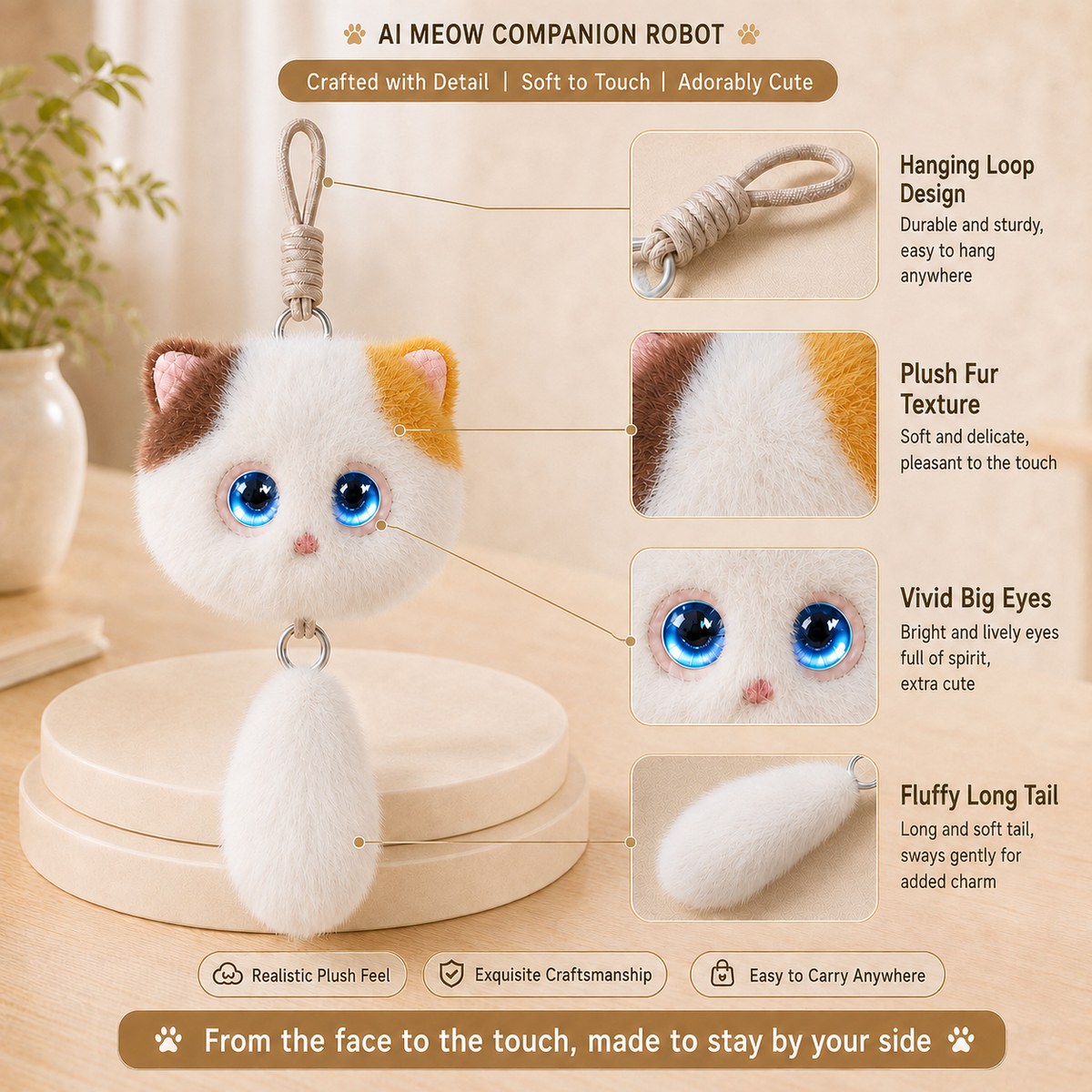
An AI plush dental waiting room program targets the hardest ten minutes of a child’s dental visit: the wait before treatment starts. Dental anxiety in children is common, and much of it builds in the waiting room, where unfamiliar sounds, smells, and anticipation combine. Clinics already know that calming the wait improves the appointment that follows. A talking plush that greets the child, chats about ordinary things, and leads a short breathing game gives the waiting room a job to do, rather than leaving the child alone with worry.
This is a calming aid, not a treatment, and clinics should position it that way. The plush does not diagnose, does not promise a pain-free visit, and does not replace the dentist’s own communication with the child. What it does is change the child’s state on arrival: a child who has spent five minutes breathing with a friendly character, choosing a story, and laughing at a silly question walks into the treatment room differently from a child who has spent five minutes listening to a drill from the next room.
How an AI Plush Dental Waiting Room Session Works
The simplest effective format is short and repeatable. The plush greets the child by name, asks one or two easy questions about their day, and then offers a choice: a short story, a counting game, or a breathing game. The breathing game is the workhorse. Paediatric dental guidance for anxious children commonly uses counted breathing, in through the nose and out through the mouth, sometimes with a count of four, as a grounding technique a child can learn in a minute and reuse in the chair. The plush can lead that count with a calm voice, praise the child for finishing, and then move on to something fun, so the exercise feels like play rather than therapy.
Conversation matters because it occupies the mind that would otherwise rehearse fear. A child answering questions about a favourite animal or a pretend adventure is not listening to the sounds from the treatment rooms. The plush should keep its language simple, its sentences short, and its tone warm and unhurried. It should also know when to stop: a child who wants quiet should get quiet, and a child who wants to hold the toy without talking should be allowed to do exactly that.
What Clinics Should Specify in an AI Plush Dental Waiting Room Toy
- Clinic-approved scripts. The dentist should approve every script, including the breathing game, so the language matches what the practice already tells children.
- Short sessions, easy reset. Waiting-room use means many children per day. A session should end cleanly and reset for the next child without staff intervention.
- Volume and sound control. A waiting room is a shared space. A soft volume cap and a gentle voice protect other patients and keep the toy from becoming noise.
- Wipe-down construction. Shared clinic toys need the same cleanability logic as any shared item: a removable washable shell and a sealed, wipeable core.
- No medical claims. Scripts should comfort and distract, never advise on treatment, promise outcomes, or discuss a child’s condition.
Running the Program Without Adding Staff Work
The difference between a waiting-room novelty and a working program is staff effort. If reception staff must set up an app, pair a device, or troubleshoot a connection for every child, the toy will be left in a cupboard within a month. App-free operation, a single button or squeeze to start, and charging on a dock between sessions are therefore not conveniences; they are the conditions for adoption. Clinics buying in bulk should ask for a demonstration with no staff training beyond a one-page instruction, because that is the reality of a busy practice.
Calm design carries over from other settings. Our notes on AI plush as bedtime companions cover the same details that matter here, volume, light, and timers, because a toy that soothes at bedtime and a toy that soothes in a waiting room share the same design language. The therapy-channel lessons in our article on AI plush in therapy and special-needs settings apply too: the professional in the room should shape the script, and the supplier should build to that script rather than shipping a generic one.
What Parents Should Be Told About the AI Plush Dental Waiting Room Toy
Parents should hear a simple, honest explanation at reception: this toy helps children relax while they wait, it does not examine teeth, and it does not replace talking to the dentist. That framing protects the clinic and reassures the parent. It also sets the right expectation for the child, who should enjoy the toy without being told it will make the appointment painless. Clinics that are clear about what the toy is, and what it is not, get fewer complaints and more repeat visits, because parents trust a practice that does not oversell a comfort measure as a clinical solution. A one-sentence explanation on a waiting-room card is enough, and it costs nothing.
At Aslan Technology, we manufacture AI companion plush in a 15,000 m² facility with 10 years of OEM experience, an annual capacity of 250,000 units, and 70,000 units exported every year. If you are planning an AI plush program for one of the channels above, tell us your target market and expected order volume, and we will map the design, compliance, and pricing options to your program.

