

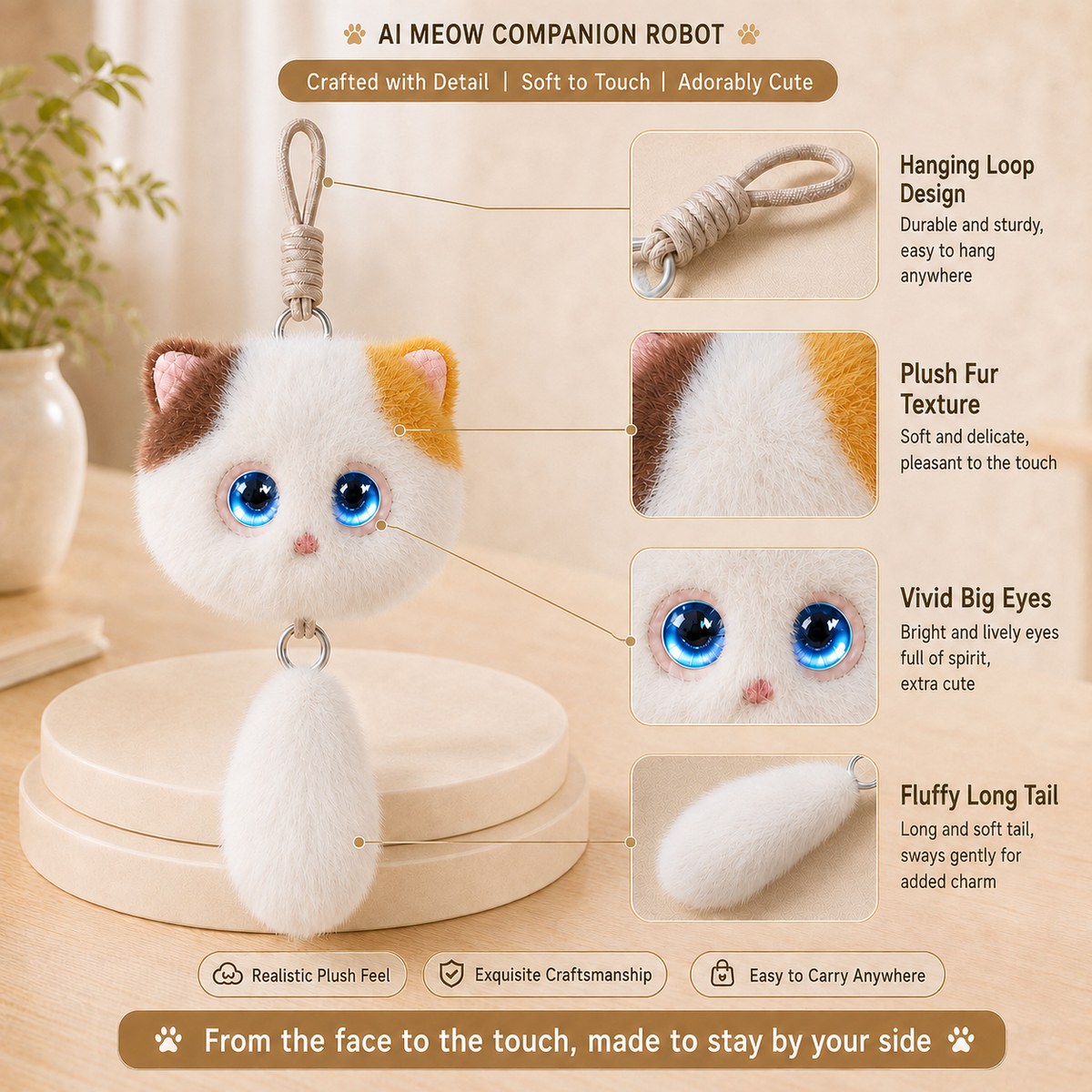
The new Toy Safety Regulation puts hard acoustic ceilings on the entire toy category: continuous noise must not exceed 85 dB and impulse noise must not exceed 115 dB, in line with the worker-noise Directive 2003/10/EC. For EU toy sound pressure limits compliance, AI plush toys sit in the most demanding corner of this rule — they are voice toys that children hold close, hug against their ears, and listen to for hours.
The regulation text is final at political level and will become applicable on August 1, 2030, replacing the Toy Safety Directive. Toy makers get a 4.5-year transition, but the acoustic requirements are already settled: the agreement reached between the European Council, Commission, and Parliament confirms that toys emitting sound will not exceed the maximum values set in the occupational-noise directive, specifically to avoid damaging children’s hearing. The era of treating speaker volume as a UX choice is ending; it is now a compliance parameter.
EU Toy Sound Pressure Limits: What the Numbers Mean for AI Plush
Context helps. The current harmonised standard EN 71-1 already sets acoustic limits by toy type and exposure: close-to-the-ear toys are limited to 60–70 dB at 50 cm depending on exposure category, hand-held toys to 80–90 dB, and voice toys to 80–90 dB. An AI plush straddles all three — it is a voice toy by function, a hand-held toy by size, and effectively a close-to-the-ear toy the moment a child hugs it. That is why speaker specification for AI plush must be designed against the strictest applicable ceiling, not the friendliest category. Our earlier EN 71-1 acoustic notes for AI plush walked through the existing standard; the new regulation turns those values from harmonised-standard guidance into hard law with border enforcement behind it.
Speaker Specs That Pass: A Practical OEM Checklist
- Size the driver against the ceiling, not the wishlist. A 28–36 mm full-range driver in a small sealed cavity can easily exceed 90 dB at 50 cm. Spec the driver and amplifier chain so that maximum undistorted output sits below the applicable limit with margin — acoustic headroom is compliance headroom.
- Treat the cavity as an acoustic component. Plush cavities are lossy and inconsistent by nature: stuffing density shifts resonance and output. Fix the cavity volume and fill specification in the bill of materials, and verify SPL across the stuffing tolerance range, not just the golden sample.
- Put a volume cap in firmware, not in the manual. The regulation cares about what the toy can emit, not what the manual recommends. A hard firmware limiter on amplifier gain — plus a parental volume setting below that cap — is the defensible design.
- Measure the way the standard measures. Test maximum A-weighted SPL at 50 cm per the EN 71-1 method for the applicable toy type and exposure category, and document the worst-case configuration: fresh batteries, maximum volume, the loudest content in the library.
- Watch impulse content. Notification chimes, wake-up sounds, and haptic-coupled audio spikes are impulse events. The 115 dB impulse ceiling leaves room, but poorly equalised transients in a resonant cavity can surprise you — measure them, don’t assume.
- Keep microphone and speaker from fighting. Echo and howling force designers to raise speaker gain to mask poor voice pickup. Good sensor placement and echo cancellation — see our sensor fusion guide — reduce the need for raw volume and make compliance easier to hold across production.
Why 2030 Is Closer Than It Looks
Four and a half years sounds generous until you map it against product cycles. A fabric or driver change re-triggers acoustic testing, safety assessment updates, and possibly the digital product passport record that the same regulation introduces. Two full development cycles fit inside the transition — the first to re-spec and validate, the second to scale. Brands that start the speaker-spec conversation with their OEM now will certify once; brands that wait will certify against a deadline, at rush-lab prices.
Design Decisions That Quiet the Toy
The cheapest decibels are removed at the design stage. Choose content libraries mastered at conservative loudness rather than compressed for maximum punch — children’s audio should be mixed like audiobooks, not action movies. Prefer soft-start envelopes on chimes and alerts so impulse peaks never approach the ceiling. And remember the stuffing: denser fill around the speaker dampens the resonance peaks that lab tests will find. None of these changes cost tooling money; all of them show up in the test report your importer will file for the next decade.
Aslan Technology runs a 15,000 m² plush manufacturing facility with 10 years of OEM experience, an annual capacity of 250,000 AI companion plush units, and 70,000 units exported to overseas markets every year. For buyers preparing for 2026 compliance deadlines, tell us your target market and expected order volume — we will map the checklist to your program.

