

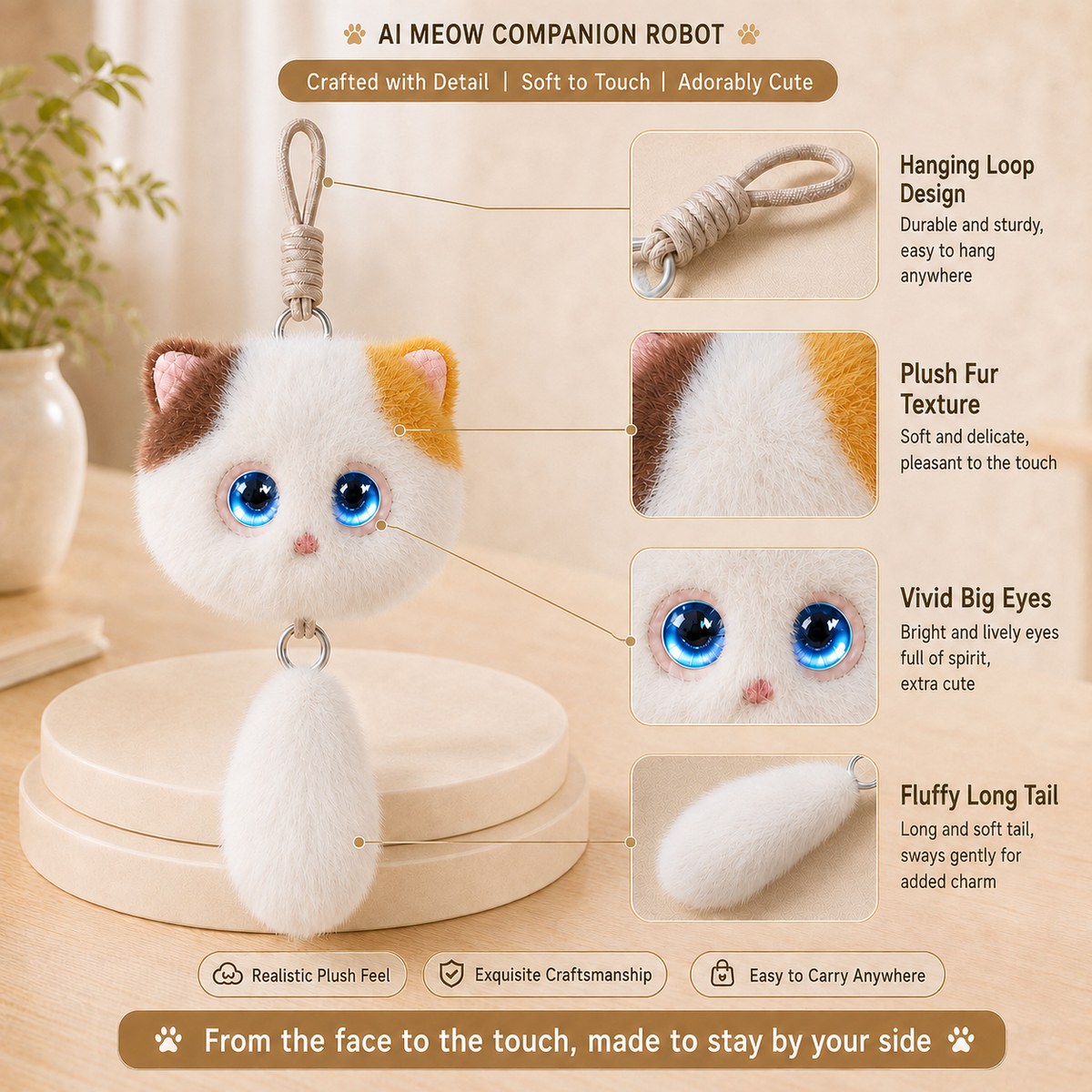
The AI plush unboxing experience is the first real test an AI companion toy faces. Long before a child judges the conversation quality, the parent has already formed an opinion: from the box on the doorstep to the moment the toy speaks its first word. In a category where setup friction is one of the most common reasons for early returns, unboxing design is not packaging decoration. It is a commercial variable brands can engineer.
The 60-Second Window That Decides a Return
A consumer survey by Dotcom Distribution found that 40% of shoppers share packaging photos on social media when the packaging stands out, and 61% say premium packaging makes them more likely to buy a luxury product again. For AI plush toys, the stakes go beyond aesthetics. The product is a connected device wearing a toy’s clothes, and the unboxing moment has to carry the buyer across the boundary between “this is a stuffed animal” and “this is a smart companion.” When that crossing feels confusing — a dead battery, a setup screen nobody understands, a manual written for engineers — the return request often follows within the first week.
Smart brands treat the unboxing sequence as a scripted onboarding flow with a strict time budget: from box opening to first successful interaction should take under three minutes, with no more than one decision point for the adult. Every additional step halves the odds the toy is switched on at all that evening.
Setup Flow: Designing the AI Plush Unboxing Experience Around Voice
Amazon’s voice-device guidance makes a point that applies directly to AI plush: the first interaction with the device should happen during setup, not after it. Applied to a plush toy, that means the toy itself should teach the family how to connect it, in its own voice, instead of relying on a printed manual. Amazon’s Out-of-Box Experience guidelines for Alexa device makers stress identifying how to start an interaction, how to interrupt, and how to toggle the wake word — the same three questions every AI plush unboxing must answer.
The most friction-free AI plush toys today skip the companion app entirely for the core setup, using 2.4G WiFi or a phone hotspot connection configured through voice prompts. App-free onboarding removes the largest single failure point — parents who never finish app registration — and it shortens the path from box to conversation. Brands still deciding between connection schemes should read our breakdown of app-free connectivity options for AI plush toys before locking the design.
- Wake the toy with touch, not instructions. A clearly marked hug point or ear press that wakes the toy removes the need to find a button.
- Let the toy narrate its own setup. “Press my paw to connect me to WiFi” beats a paragraph of text in every age group.
- Cap the onboarding at two voice turns. Network join, then name or age-group selection. Everything else — language, persona, schedules — can wait for a later session.
- Confirm success in character. The first scripted response should be playful, not robotic: it teaches the child what kind of companion this is.
The First Utterance: Scripting What the Toy Says First
Research on children’s unboxing of social robots (published via arXiv) found that a characterful, present introduction makes the device feel approachable and eases the tension of the first meeting — while difficult, boring manuals actively undermine that social bond. The toy’s first utterance is therefore a content-design problem, not an engineering milestone. It should confirm the wake word, demonstrate one capability (“ask me to tell you a story”), and set expectations the product can meet. A first line that promises what the AI cannot deliver is a return waiting to happen.
For children’s products, the first-utterance script is also a compliance surface. Where the toy records voice, the setup flow needs parental consent before any conversation data leaves the device — and the parent, not the child, must complete that step. Brands building for 3+ audiences should align the onboarding script with their parental control dashboard requirements so consent, usage limits, and transcript review are part of the same first session.
Packaging Cues That Cut Setup Friction
The physical packaging carries three jobs before the toy ever powers on: protect the electronics, preserve the “gift moment,” and guide the setup. OEMs can engineer all three with modest cost additions. A quick-start card mounted inside the lid — not buried under the toy — with a single QR code for the full manual keeps paper out of the way while preserving the reveal. A fabric pouch for the charging cable signals care, and a visible charge-state indicator on first squeeze tells the parent whether the toy is ready or needs topping up first.
Battery state deserves special attention in the unboxing flow. Few things kill the first impression faster than a toy that dies mid-conversation at the dinner table. Brands should specify the factory charge level in the OEM contract and design the onboarding to announce remaining battery when it drops below a threshold. Our guide to battery life testing in AI plush toys covers the test methods buyers should require before approving mass production.
Designing Unboxing as an OEM Specification
None of this is the packaging supplier’s job alone. The unboxing sequence spans hardware (wake mechanism, charge indicator), firmware (setup script, first-utterance content), and printed materials (quick-start card, consent flow). Brands that write the unboxing flow into the OEM specification — with acceptance tests, like “two testers, unassisted, must reach first conversation in under three minutes” — get measurably lower return rates than brands that treat packaging as an afterthought handled by the box vendor.
Aslan Technology works with brands to prototype the full unboxing sequence — setup script, voice onboarding flow, and packaging cues — alongside the toy itself, so the first 60 seconds work as designed in production, not just in the sample room. If you are planning an AI plush program, tell us your target markets and expected order volumes, and we will walk you through the unboxing design options for your launch.

