

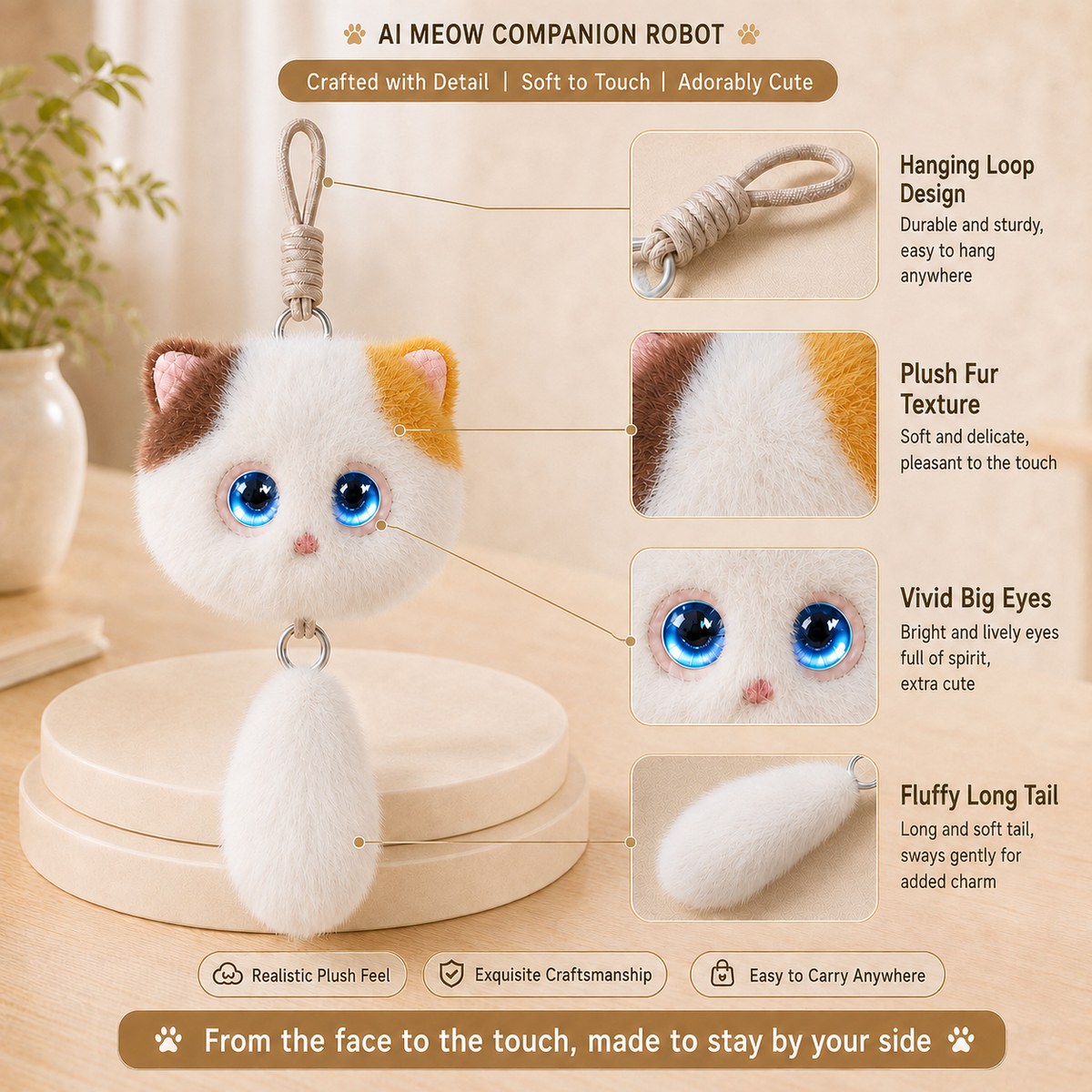
AI toy data erasure resale is a question most refurbishment programs answer too late: a returned AI plush still carries a child’s voice memories, conversation transcripts, and Wi-Fi credentials. Data erasure in a resale program is not a feature — it is a duty. Regulators already treat it that way: Canada’s Privacy Commissioner has concluded that any organization holding used electronic devices, whether through a take-back or refurbishment program, must wipe them in accordance with the manufacturer’s guidelines, with clear written procedures and trained staff. For AI plush brands running trade-in or refurbished lines, the wipe-and-verify protocol belongs in the operations manual, not the marketing deck.
Why a Factory Reset Is Not Enough
Deleting files — even emptying the equivalent of a recycle bin — only removes the pointer to the data. The underlying bytes remain until overwritten, and free recovery tools can restore them in minutes. Journalists and researchers have repeatedly bought used drives from resale markets and recovered medical records, banking details and corporate documents from machines their previous owners believed were clean. An AI plush adds a dimension consumer electronics never had: the stored data is a child’s voice. A refurbished companion that greets its new owner with fragments of the previous child’s conversations is not just a privacy incident — it is a brand-ending one.
The recognized benchmark for doing this properly is NIST SP 800-88, the federal media-sanitization standard, which defines three levels — Clear, Purge and Destroy — and is referenced by compliance frameworks from HIPAA and PCI DSS to SOC 2. For a working AI plush module that will be resold, the target level is Purge: a firmware-level sanitization that removes data across the full storage medium while leaving the hardware functional. Drives that fail verification are pulled from the sanitized batch and routed to certified physical destruction. That two-track rule — verify every unit, destroy the failures — is the backbone of any defensible program.
AI Toy Data Erasure Resale: The Wipe-and-Verify Protocol
Here is the protocol an OEM should build into every refurbishment line:
- 1. Intake quarantine: returned units are logged by serial number and held in a segregated area. No unit enters the resale stream before sanitization — no exceptions for “it looks clean.”
- 2. Manufacturer-guided wipe: apply the wipe procedure specified by the module manufacturer, aligned to NIST SP 800-88 Purge level at minimum. One workflow does not cover all storage types: flash memory in an AI module needs different handling than a spinning disk.
- 3. Verify every unit, not a sample: spot-checking is not compliance. Every single unit must be confirmed wiped and the result logged against its serial number. Verification failures go straight to physical destruction, never back into the batch.
- 4. Certificate of erasure: each batch ships with a serial-level record naming the method and standard used, signed by the operator. Under regimes like the UK’s, records must be retained for years and produced on demand; under GDPR, the right to erasure in Article 17 extends to data lingering on retired hardware.
- 5. Staff training: the Privacy Commissioner’s investigation specifically faulted an organization whose training materials were high-level and never specified the concrete steps to clean a device or verify deletion. Train the technicians on the exact procedure, not the concept.
Two design decisions made at the manufacturing stage determine how painful this protocol is. First, a hardware-level factory reset that genuinely purges user partitions — triggered by a button combination and verified by firmware — turns a labor-intensive process into a one-step station on the refurb line. Second, keeping the electronics core removable means the wipe station handles small modules, not whole plush bodies, and the shell can be re-stuffed or replaced independently. Our removable-core architecture, originally designed for washability, pays for itself again here.
The Consumer-Facing Side: Erasure as a Selling Point
Parents are the ones returning these toys, and they are the audience for the erasure story. A trade-in program that says “we wipe every returned toy to the NIST 800-88 standard and certify it” converts a vague anxiety into a reason to choose your brand’s refurbished line over a stranger’s secondhand listing. Pair the claim with a parent-visible confirmation — a reset receipt in the companion app, a certificate in the box — and erasure becomes what it should be: a trust feature with a paper trail. For the broader circular-economy playbook, including pricing and positioning refurbished AI plush, see our trade-in program guide for AI plush brands.
Build Erasure Into the Product, Not the Afterthought
The cheapest time to solve data erasure is before the first production run: a purge-capable reset in firmware, a removable electronics core, a documented wipe procedure handed to every refurbishment partner. Retrofitting it onto a product that stores voice data with no reliable purge path is an engineering project and a liability at once.
At Aslan Technology, we manufacture AI companion plush in a 15,000 m² facility with 250,000 units of annual capacity, 70,000 units exported per year, and 10 years of experience. Erasure-ready design — firmware-level purge, removable cores, serial-tracked refurbishment procedures — can be specified at the OEM stage so your resale and trade-in programs inherit a defensible protocol instead of inventing one under pressure. Planning a refurbished or trade-in line for AI plush? Tell us your target markets and expected volumes, and we will build the wipe-and-verify path into your product from the start.

