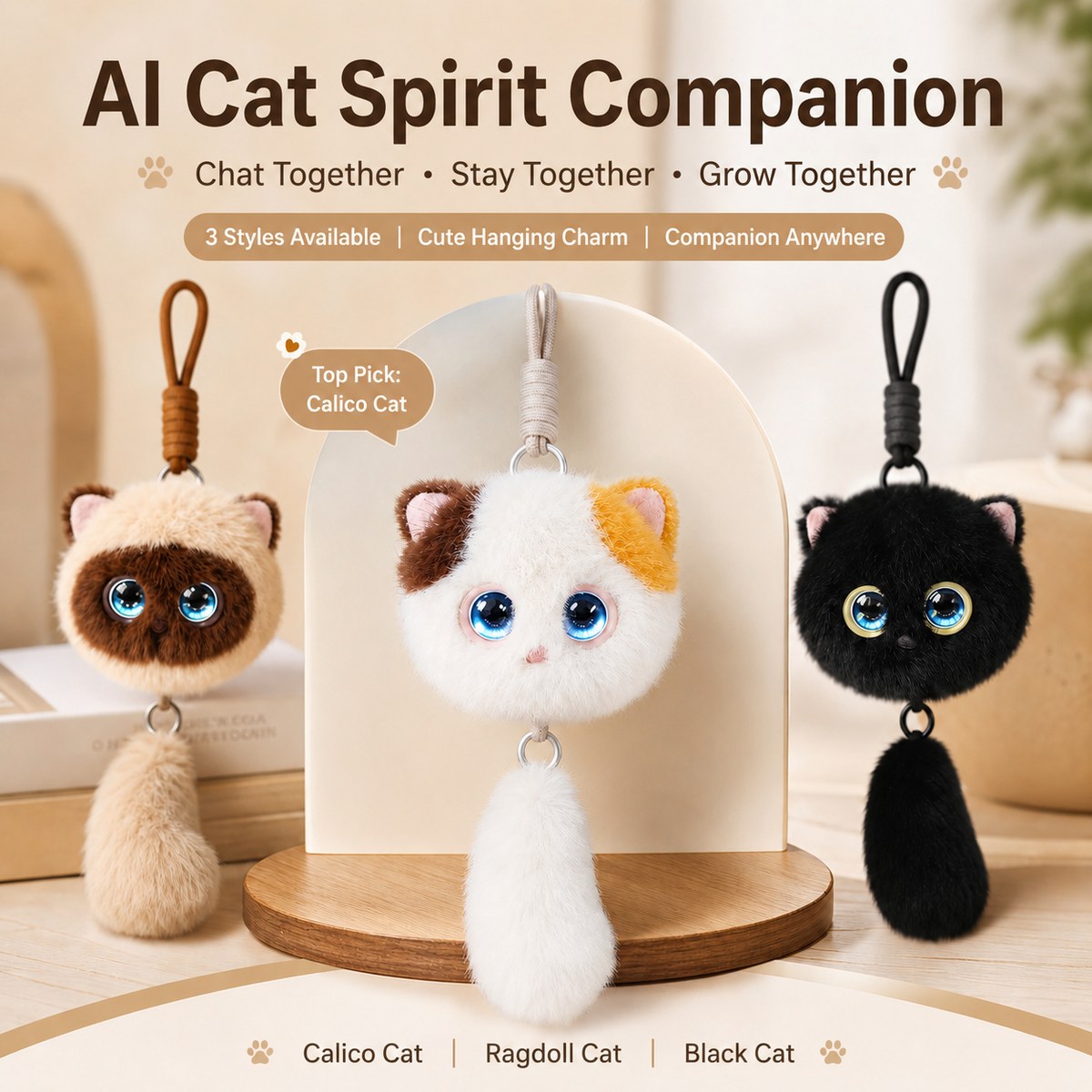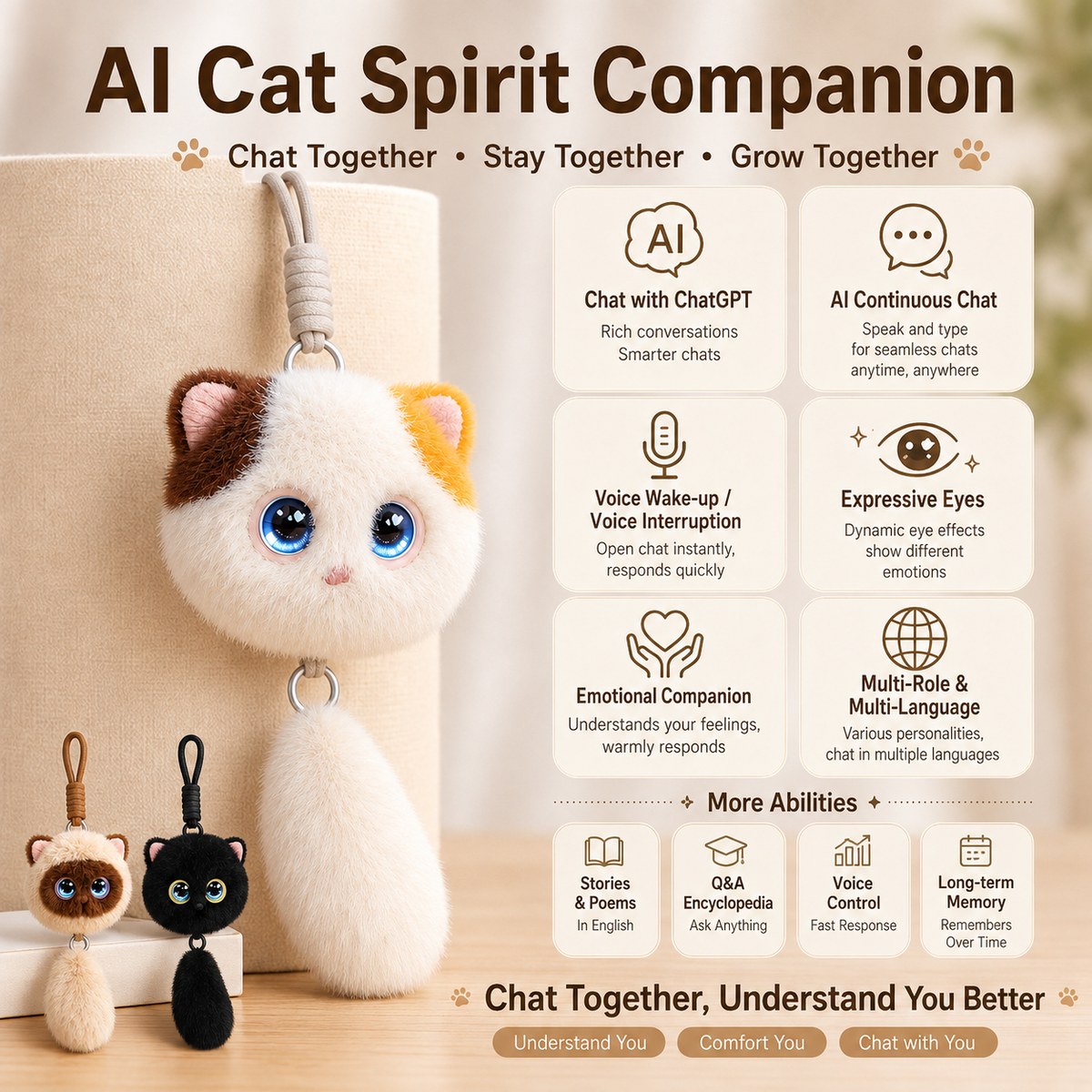
Sourcing an AI plush toy is not the same as sourcing ordinary plush. The fabric you can assess by touch. The part that determines whether buyers keep the product or return it — the firmware — you cannot.
This is the checklist we suggest buyers work through before committing to a first order. We answer all of it ourselves; the point of publishing it is that a supplier who will not is telling you something.
Firmware and AI
- Which language model powers the conversation, and what happens to existing units if that access changes?
- What is the latency between the user finishing a sentence and the toy responding?
- How well does it handle interruption — can a user cut in mid-sentence and continue the thread?
- Does it have long-term memory, and what exactly is retained?
- Does the end user need to install an app or create an account?
- How is ongoing usage metered, and who bears that cost after the unit ships?
Hardware and materials
- What are the exact dimensions and weight?
- How is it charged, and is the cable included?
- What is the battery life under typical use?
- What plush material is used, and how does it perform through repeated handling and cleaning?
- What are the care instructions for the electronics?
Compliance and documentation
- Which certifications apply for my target market, and which do you hold?
- Can you supply the documentation my market’s customs and regulator require?
- How is the product labelled, and can labelling be configured per market?
Commercial terms
- What is the MOQ for the platform with only branding changed?
- What is sample lead time and production lead time after deposit?
- Which spec changes would raise the MOQ, and by how much?
- What is the after-sales policy and defect rate expectation?
How to read the answers
Two things separate a serious manufacturer from a reseller. First, whether they know their own firmware in detail — a reseller can quote dimensions and price but goes vague on interruption handling and latency. Second, whether they will say no. A supplier who agrees to every spec and every deadline in the first conversation is either not listening or not planning to deliver.
Also ask about the factory itself. An industrial-trade integrated manufacturer controls material quality on its own line; a trading company does not. We run a 15,000 square meter factory in Chongqing with annual capacity of 250,000 units and about 70,000 units exported yearly, and we build the firmware configuration we ship.
Work through this list with any supplier you are considering — including us. Send your target market and volume and we will answer these questions against your specific case.