

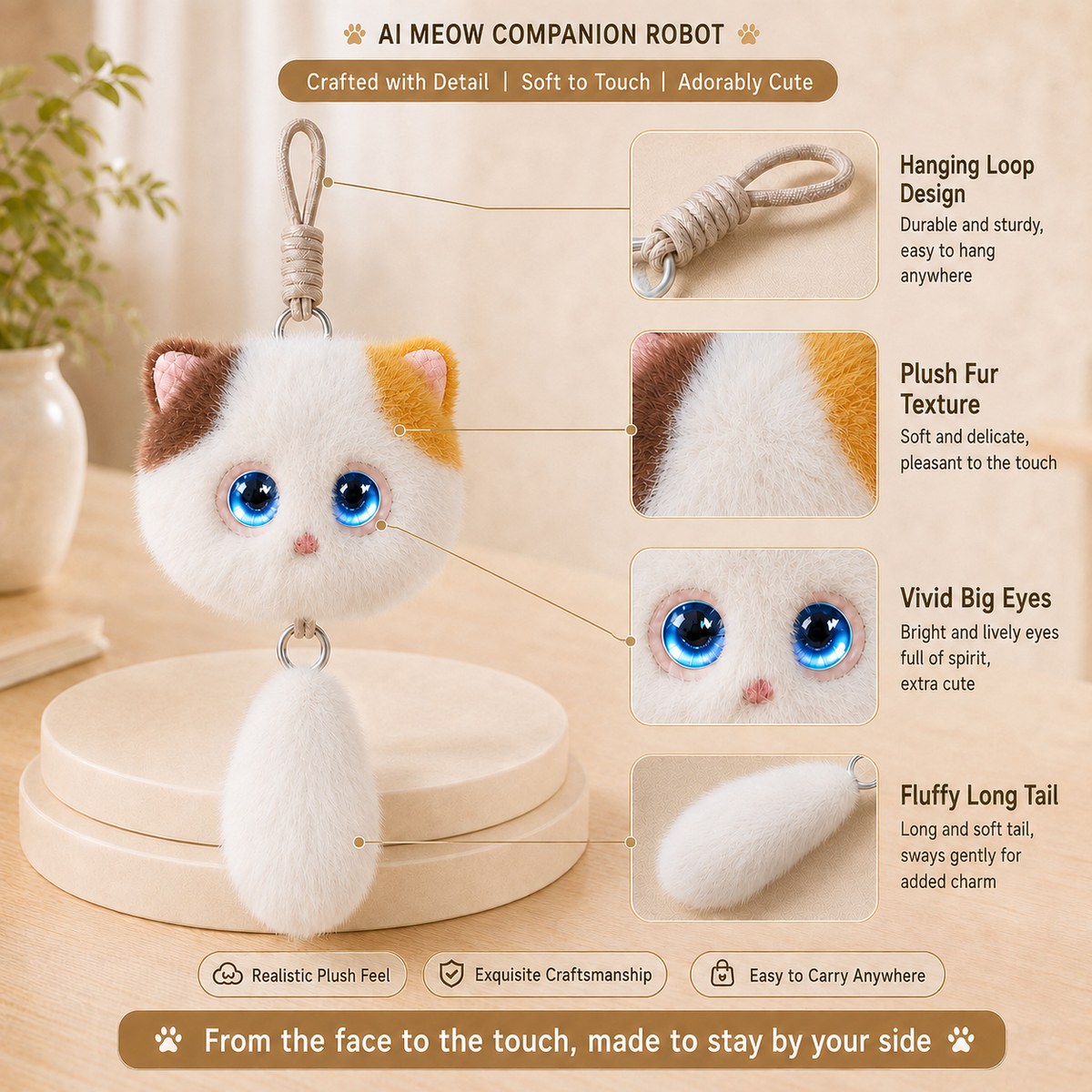
Public libraries across the US now lend far more than books: tools, instruments, board games — and increasingly, toys. The “Library of Things” model has turned thousands of branches into a genuine AI plush toy library lending channel that most brands have not noticed. Pasco County libraries in Florida lend an adaptive-toy collection for children with disabilities; New Milford’s library lends Tonie audio figures with two-week loans. For AI plush brands, this is an institutional buyer with predictable budgets, long replacement cycles, and near-zero marketing competition.
How Toy Lending Programs Actually Work
A lending collection treats each unit like a circulating book. Typical terms: a two-to-three-week loan, reservation through the library catalog, and a signed user agreement making the borrower liable for damage or loss — Glen Rock’s library policy, for example, allows failure to return a Thing to be billed up to the full purchase price. Late fines of a few dollars per day are common. Collections are curated by children’s librarians who care about developmental value, not packaging, and who rebuy from vendors that make their lives easy.
Two structural facts matter for product design. First, units circulate among strangers, so privacy hygiene is non-negotiable: every return must be able to wipe stored conversation data quickly. Second, loan terms favor ruggedness over novelty — libraries would rather rebuy a unit that lasts four years than chase annual launches. This makes lending the opposite of retail velocity economics, and it rewards durability-first engineering, much like the logic behind washable removable-core construction for heavy-use settings.
AI Plush Toy Library Lending: Four Product Requirements
1. One-touch factory reset
Librarians are not IT staff. The reset must be a single button sequence, ideally confirmed by a light or voice cue, with no app dependency. Document the procedure on a one-page laminated card shipped with each unit — libraries pin these to the checkout desk.
2. Rugged build rated for dozens of hands
Expect each unit to be borrowed 10 to 20 times a year by different families. Reinforced seams, washable shells, and electronics that survive drops and tug-of-war matter more than launch-week gimmicks. As with institutional buyers generally, shareable demo-ready robustness counts more than shelf appeal.
3. Librarian-friendly guides, not consumer manuals
Ships-with-materials should include an age-appropriateness summary, conversation-topic guidance for parents, and a troubleshooting sheet staff can hand out. This is documentation OEMs can produce once and attach to every institutional order — a small fixed cost that differentiates bids.
4. Hygiene-ready design
Items that circulate between households get cleaned between loans. Removable electronics cores and machine-washable plush make this a two-minute job rather than a sanitation problem. Magnetic, portless charging avoids corrosion from repeated cleaning cycles.
Why Brands Should Take the Channel Seriously
Library lending delivers three things retail cannot. First, trial without purchase: families who borrow an AI plush for two weeks and love it convert into retail buyers — libraries are effectively a free sampling network. Second, institutional credibility: a children’s librarian putting your product in the collection is a trust signal no ad buy replicates. Third, stable reorders: library budgets renew annually and collections refresh on multi-year cycles, giving factories predictable demand between retail seasons.
The pitch is straightforward: offer libraries a curated “lending kit” — six to ten units, spare shells, cleaning instructions, reset cards — at institutional pricing, and ask for a pilot branch before scaling to a county system. The procurement process is slower than a retail PO but far stickier once won.
School Libraries and Therapy Settings: The Adjacent Demand
Public libraries are the visible tip. School media centers, special-education departments, and children’s therapy practices all run on the same circulation logic — expensive interactive tools shared across many children. Pasco County’s adaptive-toy lending collection, explicitly built for children with disabilities, hints at where AI plush has the strongest fit: conversational companions that work for non-verbal or shy children in classroom and therapy settings. Brands that design for lending collections automatically qualify for this adjacent institutional demand.
For schools, procurement usually runs through district purchasing offices with formal bid processes. The documentation that wins library pilots — safety test reports, privacy compliance summaries, reset procedures — is the same documentation school bids require. One investment in institutional-grade paperwork opens both doors, which is why education-adjacent brands increasingly treat libraries as the low-friction entry point to the much larger school procurement market.
What It Costs You as a Brand
Lending collections are small orders: a single library system might start with 10 units and scale to 50 across branches. The real cost is not manufacturing but packaging and documentation — reset cards, librarian guides, spare-shell programs — plus the patience for a three-to-six-month pilot-to-system cycle. For a brand already paying for retail launches, that cost is modest, and the payoff is a channel competitors are not even pitching yet.
Start with one library system in your target country, offer the pilot at institutional pricing, and ask the children’s librarian for a quote after the first loan cycle. One honest sentence from a librarian — “our patrons keep reserving this” — outperforms any feature bullet on the next procurement bid.
Talk to Our Team
Aslan Technology manufactures AI companion plush toys at OEM/ODM scale — 15,000 m² of factory space, 250,000 units of annual capacity, 70,000 exported each year, and 10 years of experience. If you are developing institutional or education-channel versions of an AI plush product, share your target market and volumes and we will scope a build for it.

