

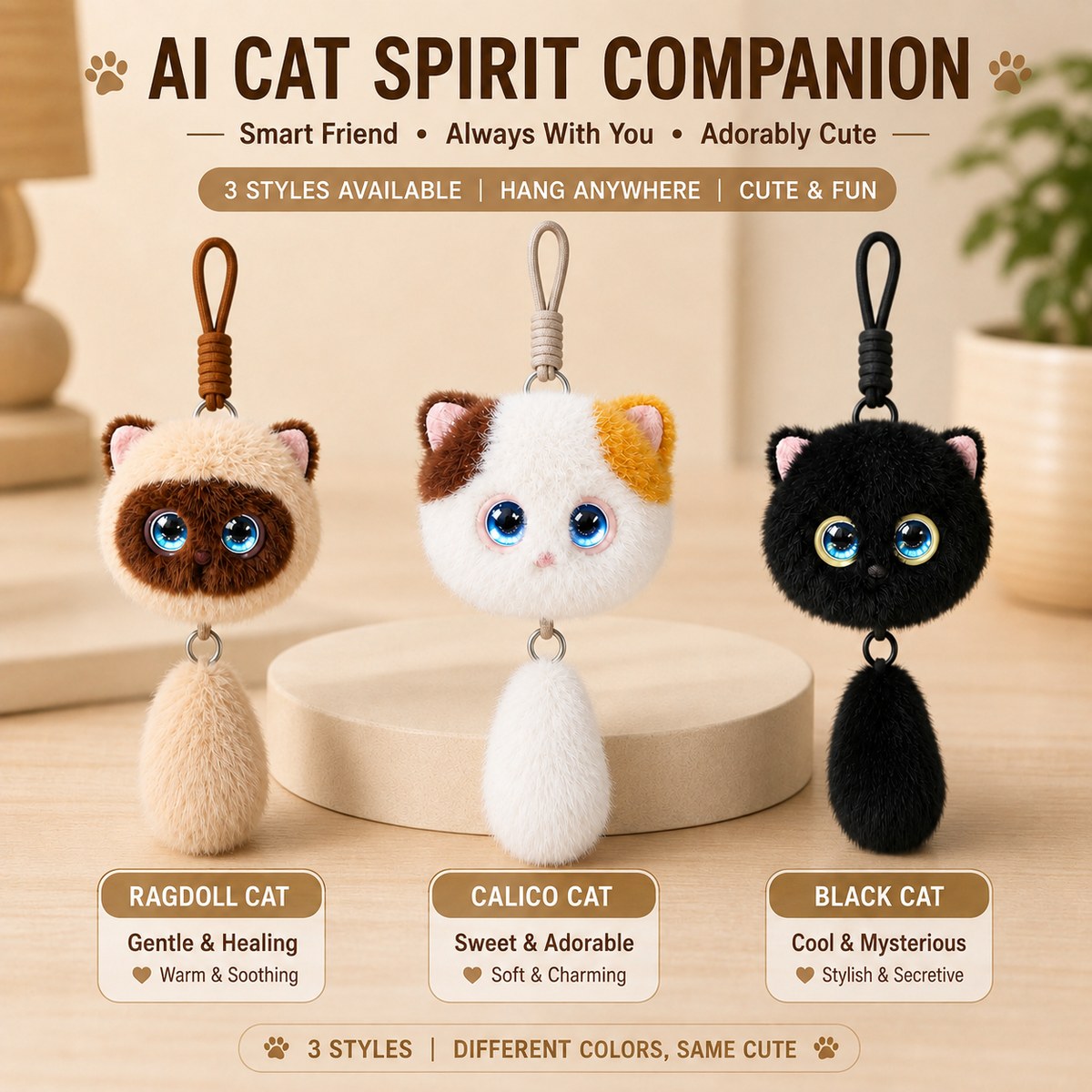
Dropshipping AI plush toys sounds like the lowest-risk way into the category: no inventory, no warehouse, the factory ships each order straight to your customer. That pitch is half true. The model removes inventory risk but moves three others onto the seller — battery shipping rules, returns and children’s privacy — each able to erase the margin on a whole month of orders. This guide explains how dropshipping AI plush toys actually works, where it breaks, and the safeguards sellers need before the first listing goes live.
How Dropshipping AI Plush Toys Works
In dropshipping, you list the product, take the order and payment, and pass fulfilment to the factory or a fulfilment partner, who ships directly to your customer. You never touch the toy. That is the attraction — and the trap. You never touch the product, yet you remain the seller of record to the customer, the marketplace and, in many jurisdictions, the regulator. If a battery is misdeclared, a safety check fails, or a parent complains about voice data, the complaint lands on you — not on the factory that packed the box.
The economics are thinner than they look. A dropshipped unit usually costs more per piece than a bulk order, because the factory picks, packs and ships single units. Add marketplace commission, payment fees and advertising, and the margin left per toy is small — which is why a single return or a seized shipment hurts so much. Before listing, work through our first AI plush order checklist so compliance and sampling are settled before money moves.
The Battery Problem: Lithium Rules Changed in 2026
Every AI plush toy ships with a lithium battery inside, and that makes it a dangerous-goods shipment. Under the IATA Dangerous Goods Regulations 67th edition, lithium batteries contained in equipment travel as UN3481, and from 1 January 2026 batteries packed with equipment over 2.7 Wh must travel at no more than 30% state of charge. The factory must also produce a UN38.3 test summary proving the battery passed transport safety testing. Freight forwarder data puts about 30% of electronic toy air-freight rejections down to missing or incorrect state-of-charge labels.
The practical consequences are concrete. First, confirm the battery is built into the toy, not shipped loose in the box — loose batteries face the strictest rules and many parcel lines refuse them. Second, get the UN38.3 test summary and the state-of-charge declaration from the supplier before you list, not after a shipment is held. Third, expect slower and costlier shipping than ordinary plush: battery parcels travel on dedicated lines, and carriers such as DHL eCommerce add their own battery policies on top of the IATA rules. If a supplier cannot produce these documents, it cannot dropship to your market — no matter how good the price looks.
Returns: The Cost Nobody Budgets For
Electronics raise return rates, and AI plush toys add three return triggers ordinary plush never has: a battery that arrives flat, a Wi-Fi setup that fails at home, and a child who loses interest once the novelty fades. Each return must travel back across a border, often costing more than the toy is worth — so many sellers refund and tell the customer to keep it, absorbing the full unit cost plus the original shipping.
A second problem is unique to AI toys: voice data. A returned toy may hold a child’s voice recordings or conversation history, and that data must be wiped — and the wipe documented — before any returned unit is resold or refurbished. Agree the return flow with your supplier in writing before the first order: who receives returns, who pays return freight, who wipes data, and what happens to units that cannot be resold. Our returns and RMA guide for AI plush sets out the full reverse-logistics structure, including refurbishment and data wiping.
Privacy Follows the Seller, Not the Factory
An AI plush toy records children’s voices. Under the FTC’s updated COPPA rules, voice recordings count as biometric identifiers, and sellers need verifiable parental consent plus clear retention limits. In the EU, the same data falls under GDPR and the AI Act’s transparency duties. The parent who buys from your store will hold you responsible for where that voice goes and how it can be deleted — even though the servers belong to someone else.
Before listing, get four things from your supplier in writing: where voice data is stored, how long it is retained, how a parent requests deletion, and what the privacy notice says. If the supplier cannot answer, do not list the product. Our COPPA consent guide for AI toy brands explains the verifiable consent methods regulators expect.
Margins: Where the Money Goes
Honest dropshipping math starts with the factory’s single-piece fulfilment price, then subtracts marketplace commission, payment processing, advertising cost per order and a reserve for returns. What remains is the real margin — usually thinner than for ordinary plush, because the unit cost is higher, shipping is dearer and the return reserve must be larger. Used to test demand before committing to bulk orders, dropshipping works; used as a permanent low-cost channel, the margin usually turns out never to have been there.
The sensible path is staged: dropship a few orders to validate the listing, the setup experience and the return rate, then move winning products to bulk stock. Bulk orders cut the unit cost, let you control packaging and inspection, and remove the per-order battery surcharge — which is why our FBA cutoff backup plan treats held stock as the fallback when single-parcel shipping fails.
A Safeguards Checklist Before You List
- Battery documents on file: UN38.3 test summary and a state-of-charge declaration from the factory, before the first shipment.
- Battery built into the toy: no loose or spare batteries in the parcel.
- Compliance documents ready: CPSIA, EN 71 and ASTM F963 test reports for your target market, plus wireless certification if the toy uses Wi-Fi or Bluetooth.
- Privacy notice published: data storage location, retention period and deletion process, in plain language parents can find.
- Return policy written first: who receives returns, who pays freight, and how voice data is wiped before resale.
- Spare-parts cover: charging cables and replacement batteries available, so a dead accessory does not become a full return.
- Test order first: buy one unit yourself, set it up as a customer would, and confirm the unboxing, the Wi-Fi setup and the battery arrive in working order.
Dropshipping AI plush toys can work as a low-commitment way to test a product and a market. It fails when sellers treat it as a way to skip compliance, testing and the return plan. The battery rules, the return economics and the privacy duties do not disappear because a factory ships the parcel. They land on the seller, every time.
If you are considering dropshipping AI plush toys, tell us your target market, your expected monthly volume, and your sales channel. We will confirm the battery documentation, the compliance package and the fulfilment setup your market requires — and advise honestly when bulk stocking would serve you better.

