

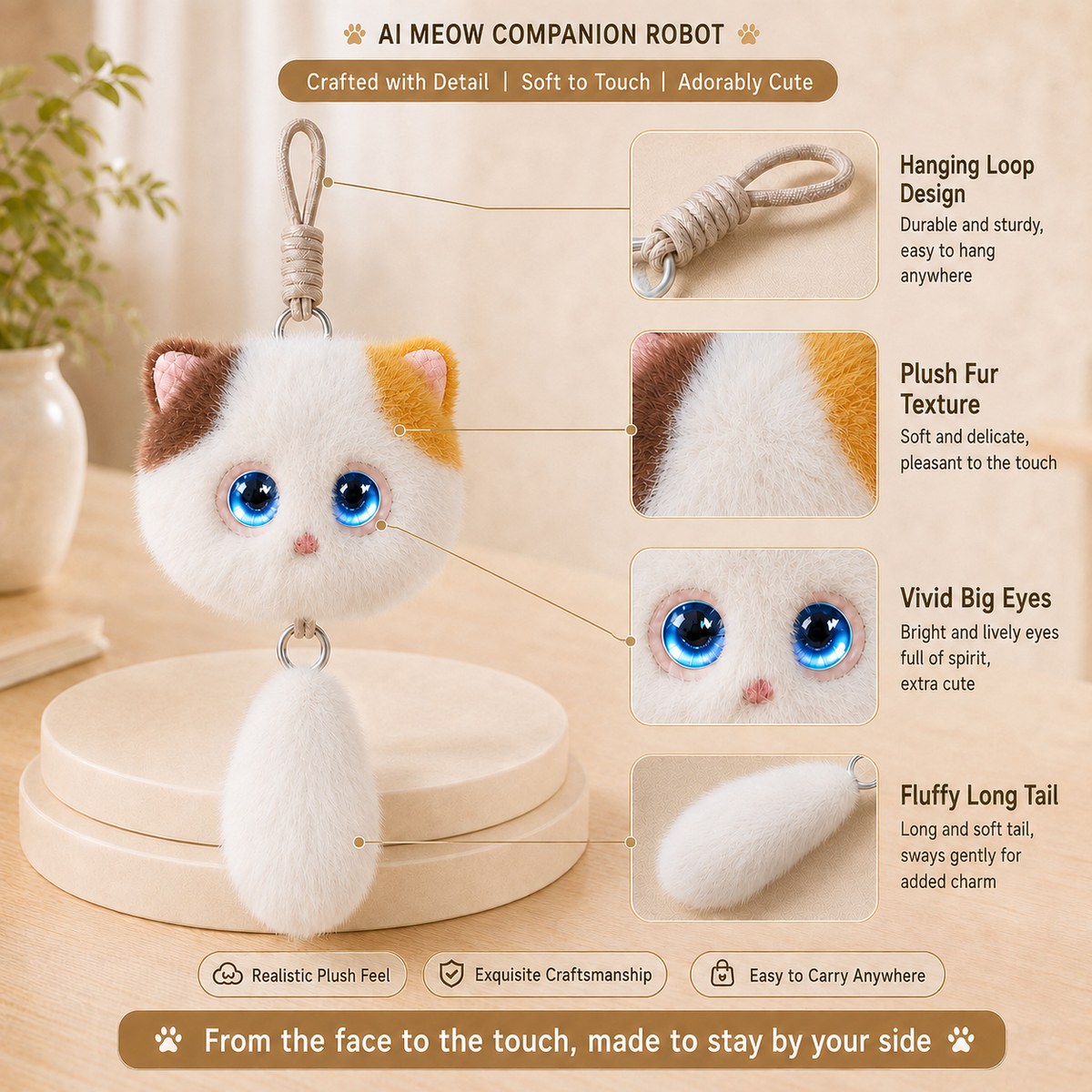
The moment a plush toy gains Wi-Fi or Bluetooth, it stops being just a toy in the eyes of regulators. Any AI plush wireless certification program must cover three radio regimes — FCC for the United States, CE marking under the Radio Equipment Directive (RED) for the EU, and UKCA for Great Britain — and since August 2025, the EU layer has grown substantially harder: binding cybersecurity requirements now apply to connected toys. This is the checklist buyers should see from their factory before committing to a program.
Why Radio Rules Apply to an AI Plush Toy
An AI companion plush typically connects over 2.4 GHz Wi-Fi or a phone hotspot, and many designs add Bluetooth for initial pairing. Those radio transmitters make the product “radio equipment” under EU law and an intentional radiator under FCC rules, on top of the toy safety standards (CPSIA, EN 71, ASTM F963) that already apply to the textile and mechanical parts. Our guide to child safety compliance for AI plush toys covers the toy-safety layer; this article covers the wireless layer that sits above it.
AI Plush Wireless Certification: The Three-Market Checklist
United States — FCC. The radio module in an AI plush is subject to FCC Part 15. Modules that are already FCC-certified can often be integrated under the module grant’s conditions, provided the host product follows the integration instructions and the final product is properly labeled. If the design uses a non-certified radio or modifies the antenna, the finished toy itself needs certification. Digital circuitry without an intentional radiator generally follows the Supplier’s Declaration of Conformity (SDoC) route instead.
European Union — CE under the Radio Equipment Directive (2014/53/EU). CE marking for a wireless AI plush rests on the RED: health and safety, electromagnetic compatibility, efficient use of radio spectrum — and since 1 August 2025, cybersecurity. Delegated Regulation (EU) 2022/30 activated Articles 3(3)(d), (e), and (f) for internet-connected radio equipment, and toys are explicitly in scope: the radio must not harm networks, must safeguard personal data and privacy, and must support anti-fraud features. The harmonized EN 18031 series (parts 1–3, adopted January 2025) gives manufacturers a self-declaration route; without full alignment to the standards, assessment goes through a notified body such as TUV SUD.
Great Britain — UKCA. The UK Radio Equipment Regulations 2017 mirror the RED’s technical requirements but require a separate UKCA mark and a UK-based responsible person for most products placed on the GB market. Northern Ireland follows EU rules under the Windsor Framework. Buyers selling into both the EU and GB should budget for two conformity tracks, not one.
The Cybersecurity Layer Buyers Underestimate
The RED cybersecurity requirements are the part most toy programs are unprepared for. A Wi-Fi-connected plush that talks to the cloud is, in regulatory terms, an internet-connected device handling a child’s voice data. Article 3(3)(e) demands safeguards for personal data and privacy — which connects directly to the data-protection questions buyers should already be asking, covered in our article on data privacy for AI companion toys. Practical consequences: default passwords are not acceptable, firmware must be updatable against known vulnerabilities, and the technical file must document how the device protects the data it handles.
This is not a future obligation. The requirements became mandatory on 1 August 2025 for products placed on the EU market, and market surveillance authorities can act against non-compliant products now. Any supplier quoting a wireless AI plush for the EU without a RED cybersecurity plan is quoting a product that cannot legally ship.
What to Ask Before You Approve a Program
- Is the radio module pre-certified (FCC grant), and does the integration follow the grant conditions — or does the finished toy need its own certification?
- For the EU: which conformity route is used for RED Article 3(3)(d)–(f) — EN 18031 self-declaration or notified-body assessment? Can we see the technical file?
- How are default credentials, firmware updates, and vulnerability handling implemented — and documented?
- For the UK: is a UK-based responsible person designated, and is UKCA marking planned alongside CE?
- Do test reports cover the exact product configuration (module + antenna + enclosure), not just the module in isolation?
Budgeting for Wireless Certification
Certification cost is a line item buyers should plan for, not discover. A pre-certified radio module integrated per its grant conditions keeps testing to the SDoC and integration level; a custom radio design or antenna change triggers full intentional-radiator certification, which costs more and takes longer. The RED cybersecurity assessment adds a further workstream — technical file documentation, vulnerability handling processes, and possibly notified-body review. Ask your factory to separate these costs in the quotation so you can see what changes if the design or the target market changes.
Wireless certification is where many AI plush programs stall — not in the toy lab, but in the radio lab. Aslan Technology operates a 15,000 m² facility with 250,000 units of annual capacity, 70,000 units of annual exports, and 10 years of plush manufacturing experience, and treats wireless and toy-safety compliance as one integrated program. Tell us your target market and expected order volume, and we will lay out the certification path for your products market by market.

